
Sometimes the biggest offseason mistake is not a blockbuster trade or a bad draft pick. Sometimes it is buried in the fine print.
The New Orleans Pelicans’ decision to re-sign veteran center DeAndre Jordan to a fully guaranteed two-year, $7.9 million veteran-minimum contract has unexpectedly become one of the NBA’s most talked-about cap discussions. Not because of Jordan himself, but because of how the deal was structured.
The controversy centers on one of the league’s least understood salary-cap rules.
Under the NBA’s veteran minimum reimbursement program, when a player with three or more years of service signs a one-year minimum contract, the team is only charged the equivalent of the minimum salary for a player with two years of experience. The veteran still receives his full salary, but the NBA reimburses the team for the difference through a league-wide fund. The rule exists to prevent teams from avoiding older veterans simply because their minimum salaries are higher. The language of the Collective Bargaining Agreement specifically applies this reimbursement to one-year, 10-day and rest-of-season contracts.
That is where the Pelicans’ contract becomes interesting.
Because Jordan signed a two-year guaranteed deal, that reimbursement no longer applies. Instead of paying only the reduced cap-equivalent salary each season and having the league cover the remainder, New Orleans is now responsible for the entire value of the contract.
The math is significant.
Had Jordan signed consecutive one-year veteran-minimum contracts, the Pelicans would have received roughly $1.5 million in league reimbursement each season. Over two years, that works out to approximately $3 million that ownership will now pay itself because of the contract’s structure rather than its value.
From Jordan’s perspective, nothing changes. He receives the same money either way. From ownership’s perspective, it is a very expensive difference.
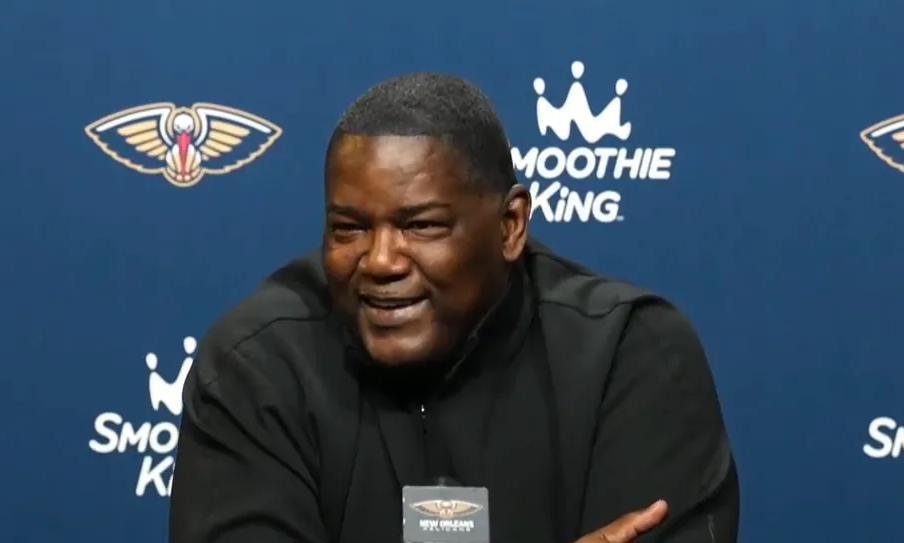
That has led to criticism of Joe Dumars, who is overseeing basketball operations in New Orleans. Some around the league have questioned whether there was any basketball or financial benefit to guaranteeing two seasons immediately rather than simply signing Jordan to back-to-back one-year agreements if the organization intended to keep him around.
However, there may also be reasons the Pelicans preferred a two-year guarantee, such as providing Jordan additional security or strengthening their relationship with a respected veteran who was named the NBA’s Twyman-Stokes Teammate of the Year last season.
Still, if the objective was simply to retain DeAndre Jordan, the criticism is understandable.
The Pelicans reportedly reached the same basketball outcome while potentially sacrificing millions of dollars that the league would otherwise have reimbursed under its veteran-minimum program.
It will not affect Jordan. It will not affect the salary cap. But if the interpretation of the CBA proves correct, it will affect the Benson family’s wallet.
And for a franchise that has never been known for lavish spending, that makes a seemingly routine backup-center signing one of the most fascinating cap stories of the summer.
