
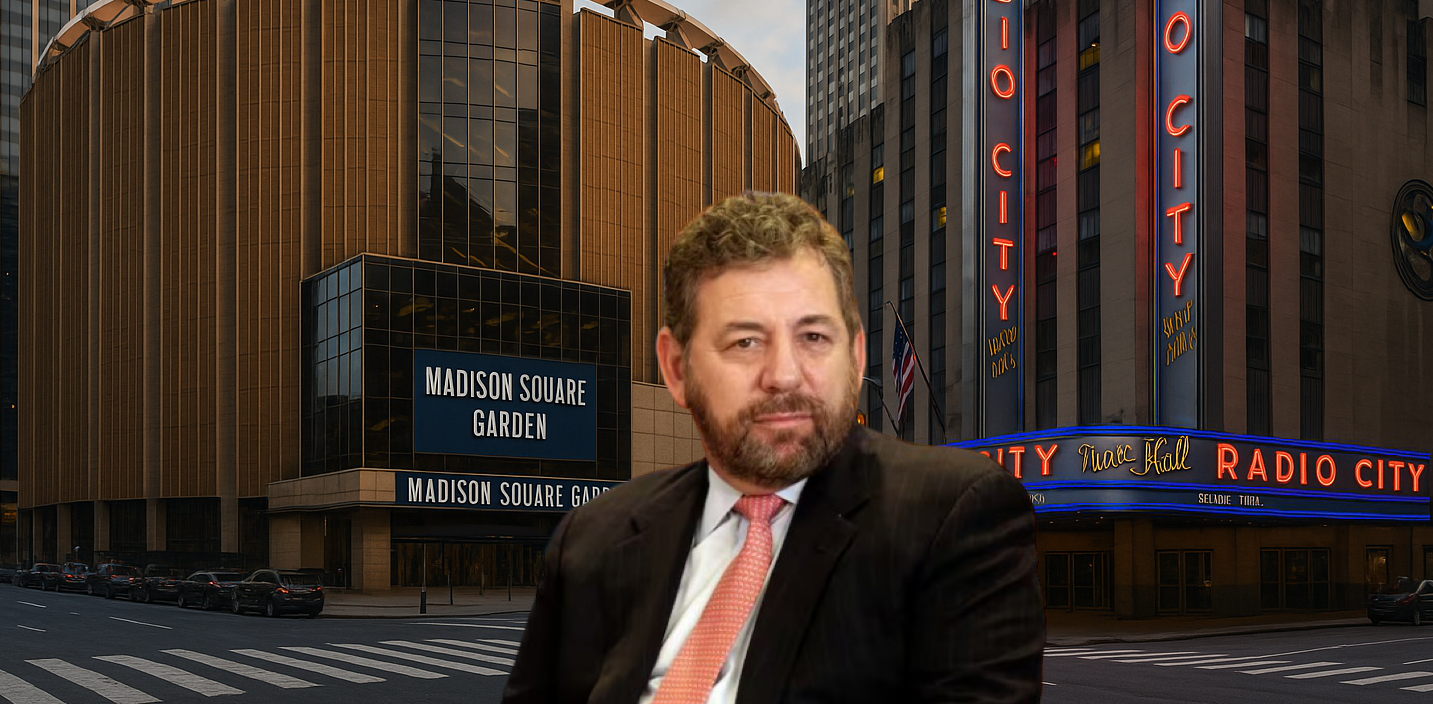
Madison Square Garden has always treated celebrity row like part of the show. According to a new investigation, however, the famous faces sitting courtside were not only being photographed for television. Some were also being categorized behind the scenes.
WIRED reports that an internal MSG database tracked tens of thousands of public figures, guests and other prominent visitors, with hundreds assigned internal labels such as “flag,” “low risk,” “medium risk,” “high risk” and “DO NOT HOST.” The database also reportedly included a separate “LGBTQIA” designation attached to 93 entries.
That is the part that turns an already strange celebrity-management system into something far more troubling.
According to the report, the database contained 39,539 entries covering people from entertainment, sports, politics, business and media. Most were not given a risk score, but roughly 400 celebrities reportedly were. Loyal Knicks fixtures including Edie Falco, Tracy Morgan and Ben Stiller were listed as “low risk.” Jadakiss and Fat Joe were reportedly marked “medium risk,” while Lil Jon, DaBaby, Freddie Gibbs and A Boogie Wit da Hoodie appeared in the “high risk” category.
Some designations appear less connected to conventional arena security than to criticism of James Dolan or Madison Square Garden management.
WIRED reported that a source familiar with the system said MSG security conducted social-media reviews of prominent guests seeking complimentary tickets. A negative comment about Dolan, the Knicks, venue management or even a poor experience entering the building could reportedly be enough to attract attention. Physical threats, according to that source, were documented in a different database.
An arena has every right to assess legitimate safety risks. Celebrities, athletes and politicians can attract unusual security concerns, and major venues routinely need systems for managing access and protecting guests. But a database that appears to mix actual safety considerations with criticism, personal associations and sensitive identity information creates a very different impression.
Fat Joe is perhaps the most absurd example.
The rapper has publicly supported Dolan and remains one of the Knicks’ most visible celebrity fans. Yet he was reportedly classified as “medium risk,” apparently because of his connection to Jadakiss, who had previously criticized Dolan. That means even defending the owner did not necessarily protect someone from being flagged if one of his friends had once said the wrong thing.
Comedian Adam Pally was reportedly designated “not to be hosted” because of previous comments about the team’s management. Producer Pete Rock, another passionate Knicks supporter, was marked “DO NOT HOST” after promoting a boycott following Charles Oakley’s infamous removal from the Garden. In this system, Knicks fandom apparently came with terms and conditions.
Then there is the “LGBTQIA” label.
The database reportedly identified figures including Ricky Martin, Phoebe Bridgers and Emily Green using that designation, but the report found no clear explanation for why sexual orientation or gender identity needed to be catalogued in a venue talent database. That is not simply an odd scouting note. It is sensitive personal information, and its presence raises obvious questions about what purpose it served, who could access it and whether it affected how people were treated inside MSG-owned venues.
The records came to light after the hacking group ShinyHunters published a large collection of data stolen from Madison Square Garden. 404 Media first reported that the leaked files included a “talent” list containing Knicks-related personalities, contact details and internal fields such as “low risk” and “high risk.”
MSG has strongly disputed the investigation, calling WIRED’s reporting “inaccurate and false” and saying it is pursuing legal remedies. That denial deserves to be included, particularly because the underlying material came from a criminal data breach rather than an official company disclosure.
Still, the reporting fits into a broader controversy surrounding MSG’s security practices. The company has previously faced intense scrutiny over facial-recognition technology and its decision to bar attorneys connected to law firms involved in litigation against MSG. The newly reported database creates the impression of a company not merely monitoring potential threats, but keeping extensive tabs on critics, associates and personal identities.
For Knicks fans, the whole story is both unsettling and strangely on brand. The Garden has one of basketball’s loudest crowds, one of its most recognizable courts and a celebrity row that is marketed as part of the glamour. But behind the velvet rope, the organization was allegedly deciding whether those celebrities were friendly, risky, politically useful or simply not welcome for free.
