
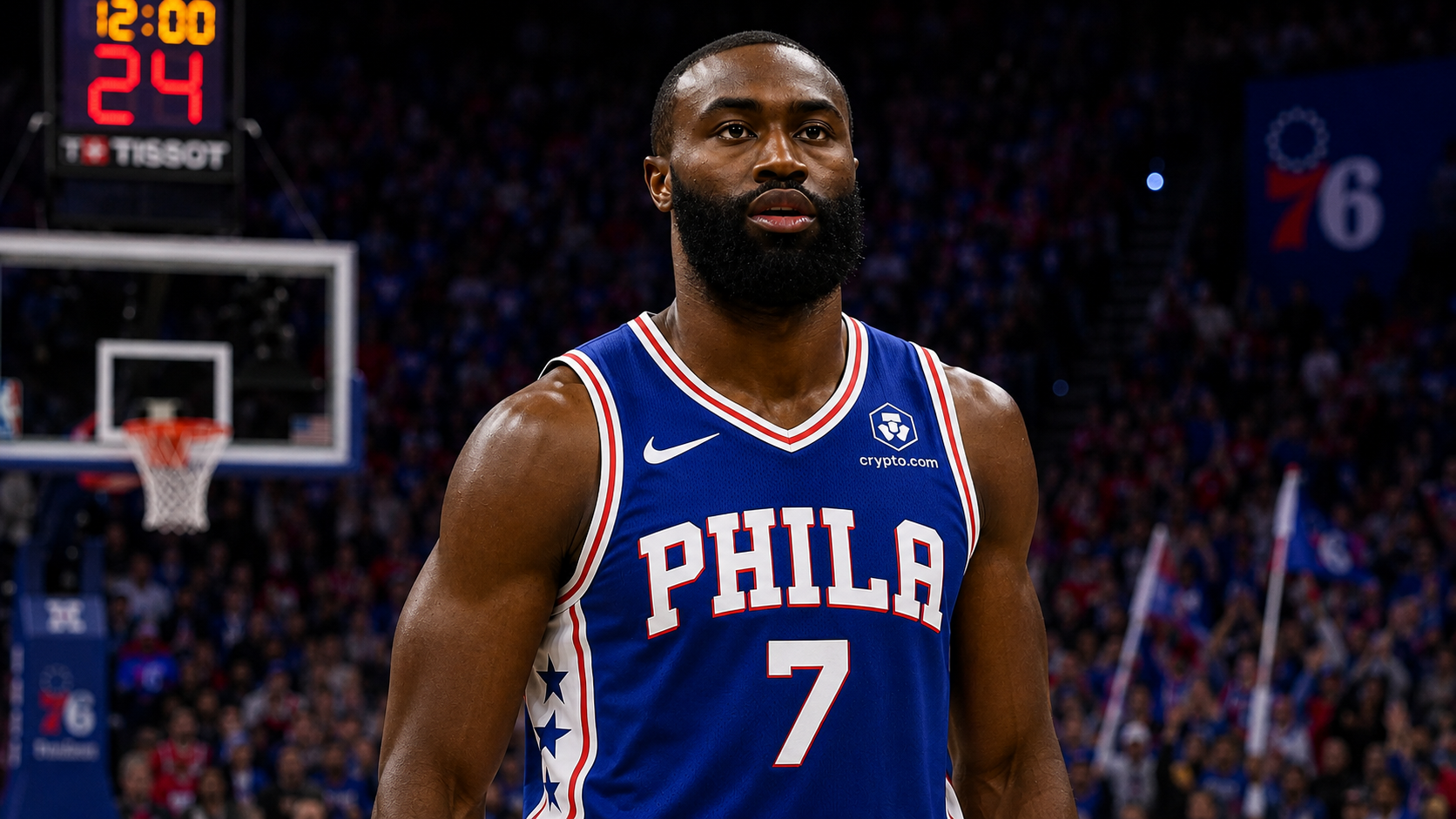
Paul Pierce has heard enough.
As the basketball world continues to pick through the wreckage of Jaylen Brown’s stunning trade from the Boston Celtics to the Philadelphia 76ers, the conversation has quickly moved from basketball to whispers, personality reads and post-trade explanations that feel a little too convenient. Pierce, one of the loudest and proudest Celtics legends alive, is not buying it.
Reacting to the idea that Brown’s off-court habits, personality or streaming played a major role in Boston moving him, Pierce basically asked the question a lot of people around the league have been asking quietly: is that really enough to trade a player like this?
His point was not subtle. Pierce said he has been around the NBA long enough to know what real franchise-shaking problems look like. He pointed to serious off-court issues, legal trouble, locker-room toxicity and other major red flags as the kind of things that can truly force a team to move on from a player. Then he compared that to the current Brown discourse, where Twitch streams, public confidence and anonymous complaints have suddenly been treated like organizational emergencies.
“I’ve been around the league. I’ve been in the league and I watched even as I’ve been gone about certain guys are just locker room cancers, certain guys just women in the streets, drug problems. Like those is real problems to get a guy off your team, right? Like come on, man. Like the stuff we talk about, oh, he streamed. Maybe he shouldn’t stream. Like I mean he don’t have no domestic case, no DUIs, no like think about the stuff that get guys traded. Like we look at Ja Morant he been through some sh*t.”
Paul Pierce says this is so ridiculous the stuff coming out and saying this is why Jaylen Brown got traded:
“I’ve been around the league. I’ve been in the league and I watched even as I’ve been gone about certain guys are just locker room cancers, certain guys just women in the… https://t.co/QmpeRhqMdZ pic.twitter.com/ipfcKDCx2V
— NBA Courtside (@NBA__Courtside) July 6, 2026
That is where Pierce’s frustration makes sense. Brown was not some end-of-bench headache. He is a five-time All-Star, a 2024 NBA Finals MVP and one half of the most successful Celtics duo of this generation. He spent 10 seasons in Boston, helped deliver Banner 18, played through constant trade rumors and, last season, carried an even heavier load while Jayson Tatum recovered from an Achilles injury. Brown averaged 28.7 points, 6.9 rebounds and 5.1 assists, the best production of his career, and Boston still decided to send him to its longtime rival.
That is why the post-trade spin has felt so loud. The Celtics did not simply move a role player. They moved a franchise pillar to Philadelphia for Paul George, two first-round picks and two second-rounders. When a deal that massive happens, the explanations have to be massive too. Salary structure, roster direction, analytics, long-term flexibility, player fit; those are real basketball arguments. But when the discussion turns into whether Brown streamed too much or rubbed certain people the wrong way, Pierce sees it as ridiculous.
And he is right to separate irritation from disqualification. A front office can be annoyed by a star’s public platform. Coaches can prefer fewer distractions. Executives can dislike being challenged. But annoyance is not the same as dysfunction. Brown having opinions, streaming his thoughts or wanting to be viewed as Jayson Tatum’s equal may have made some people uncomfortable, but discomfort alone is a thin explanation for trading away a player with his résumé.
Pierce’s broader message is really a defense of perspective. NBA teams have dealt with players facing far more serious situations. There have been locker-room meltdowns, legal problems, off-court scandals and chemistry disasters that genuinely made relationships impossible. Brown’s case, at least based on what is publicly known, does not belong in that category. That is why Pierce pushed back so hard. To him, the gap between the alleged “issues” and the actual consequence feels absurd.
Brown has already made it clear that he felt disrespected by how the process unfolded. He said there was “more to it,” but also admitted he still had not received the full explanation he believed he had earned. That is the part that gives this story its edge. Boston may have had its reasons, but the public reasoning has not yet fully matched the size of the decision.
Now Brown gets to walk into Philadelphia with a fresh jersey, a new fan base and a giant receipt folder. The Celtics get Paul George, draft capital and one of the most heavily scrutinized roster decisions in recent franchise history. Pierce, meanwhile, is standing in the middle of the noise and calling out what he sees as nonsense.
Because for him, this is simple. If the Celtics wanted to trade Jaylen Brown for basketball reasons, say that. If they wanted to change the team’s financial future, say that. If they believed the partnership had run its course, say that.
But do not try to make Twitch streams sound like a scandal. Not for a Finals MVP. Not for a champion. Not for a player who helped bring Boston the banner it had been chasing for 16 years.
