
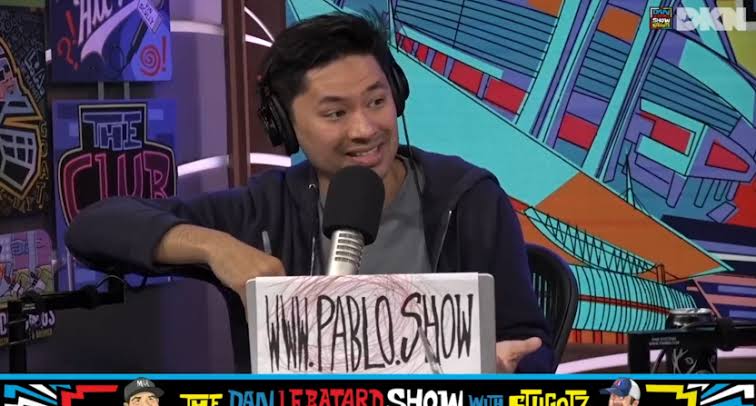
Steve Ballmer may have accepted the NBA’s punishment, but Pablo Torre believes one part of the Clippers owner’s public apology was just as important as what he actually said.
Ballmer announced that he and the Los Angeles Clippers will comply with the NBA’s penalties stemming from the league’s investigation into salary-cap circumvention involving Kawhi Leonard. The franchise has paid its $30 million fine, Ballmer will serve a one-year suspension, and the Clippers will not pursue legal action against the league. At the same time, Ballmer said disagreements remain over portions of the NBA’s findings.
For Torre, that distinction is crucial.
“He is not admitting to wrongdoing that has been investigated and proven on our show and by the NBA. And that is notable,” Torre said.
The NBA formally concluded earlier this month that the Clippers violated salary-cap circumvention rules by helping arrange off-court income opportunities for Leonard through companies that also conducted business with the franchise. The league’s independent investigation identified Aspiration Partners, Boingo Wireless, Daktronics and Lockton Insurance among the companies involved.
Ballmer’s latest statement accepts the consequences of those findings without expressly conceding the underlying misconduct. Torre argues that the wording matters because the situation has expanded far beyond an internal NBA disciplinary case.
“The question of his own admission of guilt is at the heart of what the DOJ is looking into. It is key to what the SEC is probing,” Torre said.
.@PabloTorre decodes Steve Ballmer’s apology letter — what the banned Clippers’ owner did NOT say… and what the feds are still looking into:
“The fight continues.” pic.twitter.com/wcN6hakkzL
— Pablo Torre Finds Out (@pablofindsout) September 14, 2026
Federal prosecutors in Brooklyn have opened a criminal investigation into the Clippers’ dealings with Leonard, and at least one subpoena has reportedly been issued. The existence of that investigation does not mean Ballmer or anyone else has been charged with a crime, but it introduces a legal standard very different from the NBA’s own rules.
The Securities and Exchange Commission has also sought information related to Daktronics, one of the companies connected to the broader sponsorship arrangements under scrutiny. That adds another layer to a case that initially centered on competitive balance and salary-cap rules but now includes questions surrounding corporate transactions and the movement of money.
That context helps explain why Ballmer’s apology was carefully framed.
He expressed regret, apologized to fans, employees and fellow owners, and accepted responsibility for the disruption surrounding the franchise. What he did not do was explicitly say that he knowingly participated in salary-cap circumvention or intentionally helped create improper compensation for Leonard.
For the Clippers, accepting the NBA’s punishment may end one battle. It does not end the larger story.
Torre’s point is that Ballmer’s decision not to fight the league should not be confused with an admission of guilt. With federal prosecutors and regulators now examining related conduct, every word matters – and Ballmer’s apology appears designed to acknowledge the damage without conceding the legal questions that may still lie ahead.
