
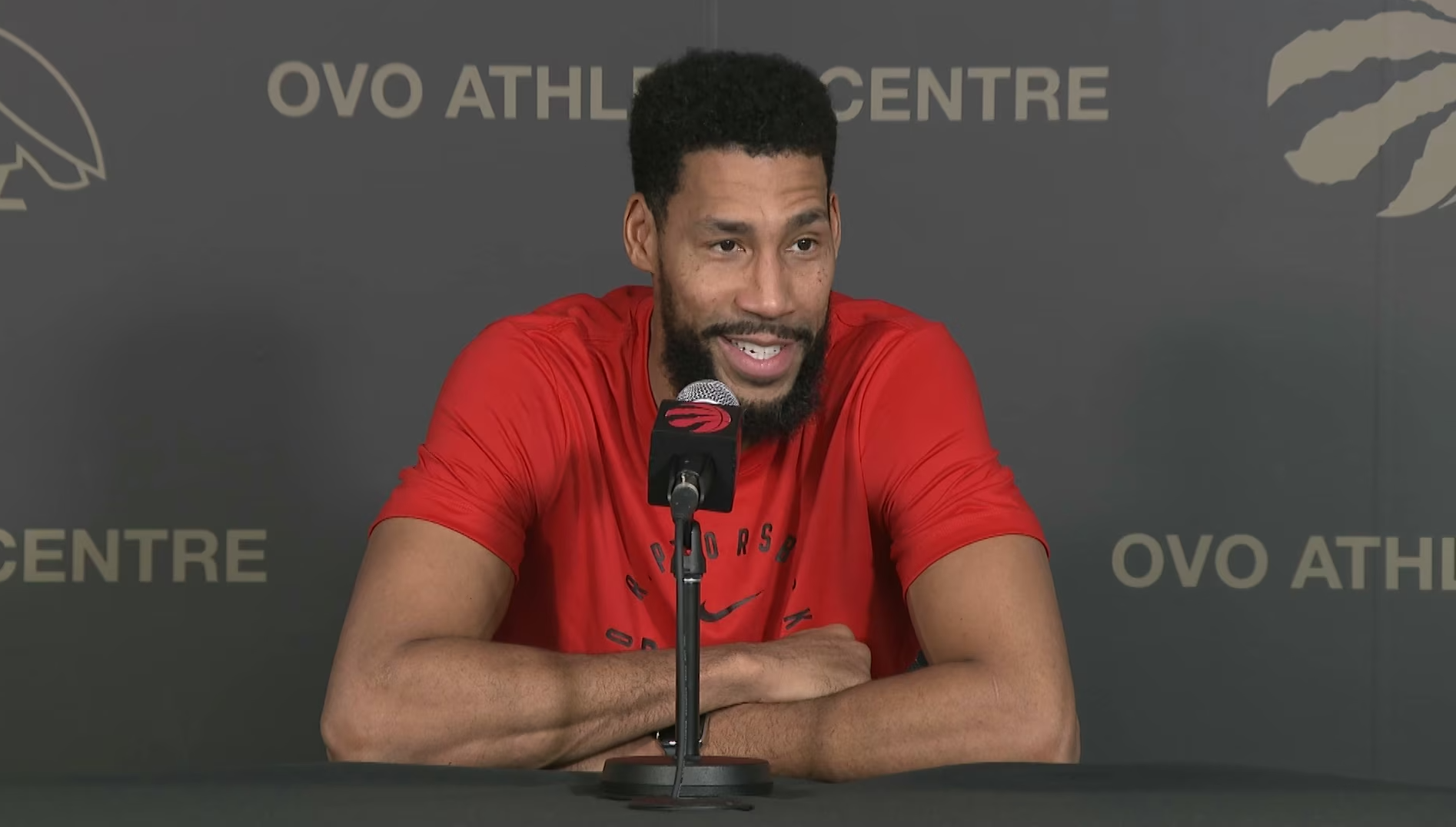
Garrett Temple’s son asked the kind of question only a child can ask cleanly: why is Daddy always on the bench?
There is no malice in it. No salary-cap analysis, no rotation debate, no aging-curve theory. Just a boy watching a game and wondering why the person he came to see is sitting instead of playing. Temple’s wife gave him the answer with the kind of tenderness sports rarely makes room for.
“Daddy has played for a long time. So now, the younger guys are really good and it’s their time to play. Do you want to see video of when Daddy was playing a lot?”
So they pulled up YouTube clips.
That is the whole NBA lifecycle in one family conversation.
Temple has built a career the league needs but does not always romanticize: durable, professional, trusted, adaptable. Not every long career ends in farewell tours and standing ovations. Some end slowly, through fewer minutes, smaller roles, younger legs arriving, and a veteran becoming less of a box-score presence and more of a locker-room pillar.
But the beauty of the story is that Temple’s past was still there. Not in memory alone, but on tape. Proof for his son. Proof that Daddy was not always the man in warmups. He guarded stars, made shots, survived roster changes, earned contracts, and stayed in the league because coaches trusted him to understand winning beyond numbers.
There is something deeply human in that. Athletes age in public, but their children often meet them at the end of the arc. They do not see the climb. They see the role that remains. Temple’s son saw the bench. His wife showed him the journey.
And maybe that is the most honest tribute to a veteran career: not pretending time does not pass, but explaining that lasting long enough to give way is its own achievement.
