
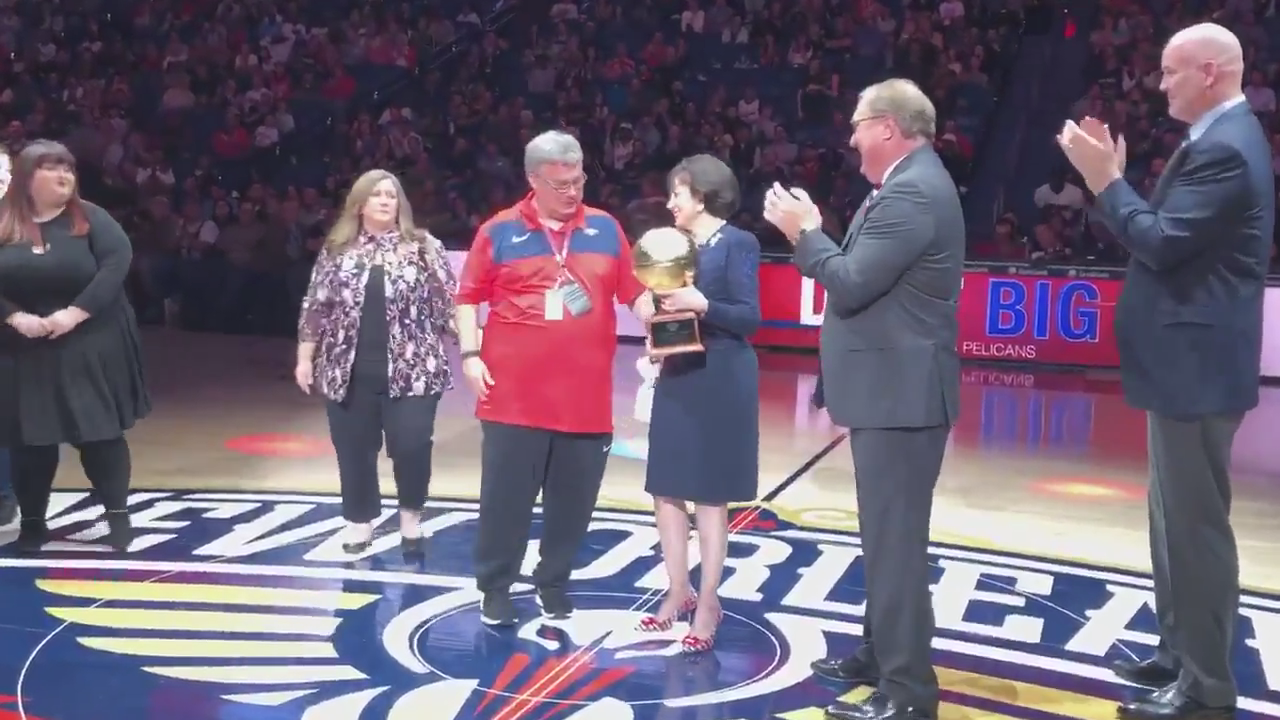
The New Orleans Pelicans have spent years searching for stability on the court. This week, the most jarring sign of instability came far from the box score. Multiple reports indicated that longtime equipment manager David Jovanovic – known throughout the organization as “Big Shot” or “Shotty” – has been let go after 38 years with the franchise, a move that appears to have stunned people across several eras of Pelicans and Hornets basketball. Jovanovic’s connection to the club dates back to 1988, when the Charlotte expansion franchise entered the NBA, and the reaction to his reported dismissal has been immediate and emotional.
Jovanovic was not merely a longtime employee in the abstract. He was one of those rare behind-the-scenes figures who become part of a team’s institutional memory, the kind of person players, coaches and staff members across generations know by name and remember with affection. Public reaction from around the Pelicans’ orbit has reflected exactly that. Jovanovic was described as “universally beloved” by former players, coaches, current staffers and people long removed from the organization.
Former New Orleans star David West was one of the most famous faces to criticize the franchise:
“The right thing to do was let Shotty decide when it was time. Shameful and embarrassing….”
The right thing to do was let Shotty decide when it was time. Shameful and embarrassing…. https://t.co/lfCHVeaFTj
— David West (@D_West30) April 22, 2026
West’s response matters not just because of who said it, but because it speaks to how decisions like this are judged inside basketball culture. Teams can call them personnel moves. The people who lived inside the building often hear something else: the treatment of one of their own.
So far, the Pelicans have not publicly offered a detailed explanation. That absence leaves a vacuum, and vacuums in sports are usually filled by symbolism. Right now, the symbolism is ugly. This is a franchise already navigating significant internal changes, and the removal of one of its longest-serving and best-liked figures has only deepened the sense that the organization is in a colder, less sentimental phase of its life.
