
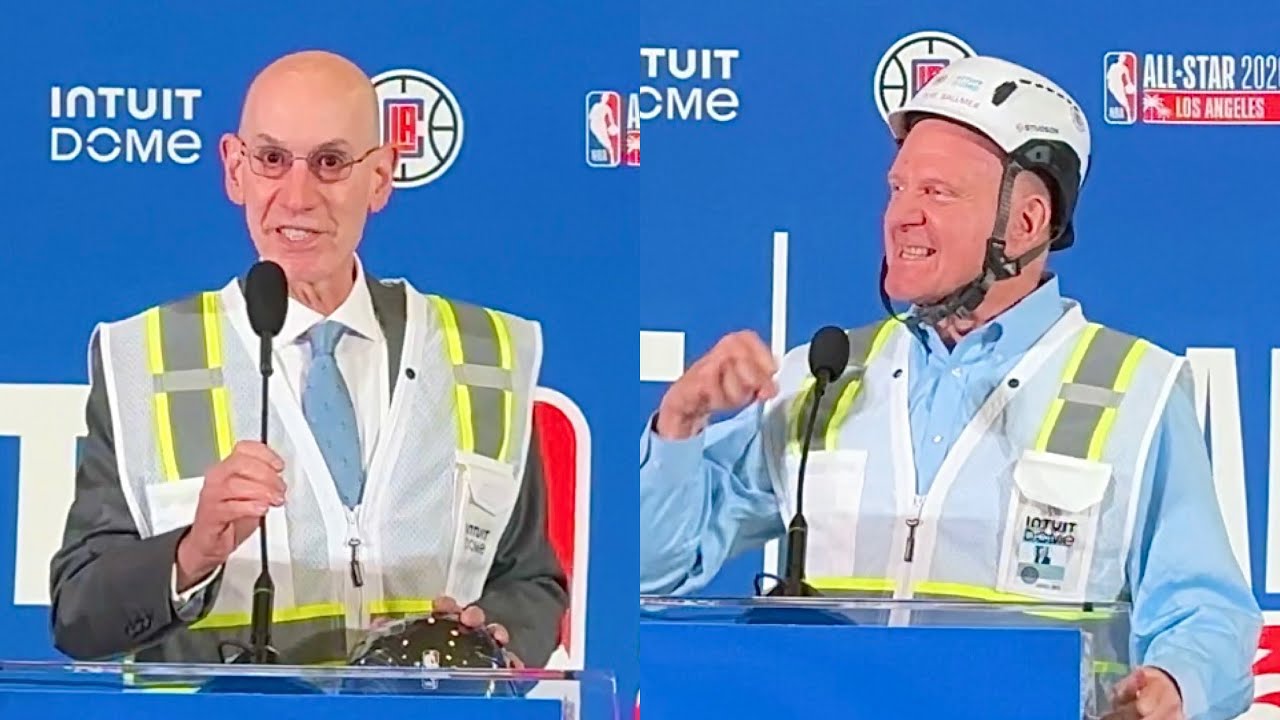
In September 2021, the Los Angeles Clippers announced a groundbreaking $300 million sponsorship agreement with Aspiration, a California-based green banking company. The 23-year deal, which included naming rights and branding integration at the Clippers’ new Intuit Dome in Inglewood, was hailed as a major step toward sustainable sports partnerships.
But in the years since, the deal has become one of the most scrutinized sponsorships in NBA history, raising questions about transparency, league oversight, and the blurry line between marketing and player compensation.
Aspiration, known for its eco-conscious financial services, became a founding partner of the Clippers’ new arena under the terms of the deal. The agreement included prominent signage throughout the Intuit Dome, co-marketing opportunities, and most notably, a jersey patch on Clippers uniforms, a component that triggered mandatory NBA review due to its visibility and potential brand conflicts.
Multiple sources told ESPN’s Bobby Marks and Baxter Holmes, that the NBA vetted and approved the deal before its public announcement, with league spokesperson Mike Bass confirming that “teams vet their own sponsorship partners and negotiate their own sponsorship agreements,” but that the league must greenlight jersey patch deals to avoid conflicts with existing league-wide sponsors.
Months after the team-level agreement, Aspiration reportedly signed a separate $28 million endorsement deal with Clippers star Kawhi Leonard in April 2022. This individual arrangement was not subject to NBA review under the league’s collective bargaining agreement, which does not require vetting of personal sponsorships unless they involve team or league assets.
However, the timing and structure of Leonard’s deal raised eyebrows. Critics questioned whether the endorsement could be a form of salary cap circumvention, an attempt to compensate Leonard outside of his official NBA contract. The league launched an investigation into the matter, examining whether the Clippers and owner Steve Ballmer had violated rules by facilitating the deal in a way that indirectly benefited the team’s roster construction.
NBA Commissioner Adam Silver initially claimed he had “never heard of the company Aspiration” when the controversy surrounding Leonard’s deal surfaced. He later walked back the statement, acknowledging he was aware of the brand but not familiar with its role in the context of the allegations.
This discrepancy added fuel to the fire, prompting critics to question the league’s internal communication and oversight mechanisms. If the NBA had approved a $300 million deal involving Aspiration, how could its top executive be unaware of the company’s existence?
Further complicating matters was the revelation that Clippers owner Steve Ballmer had invested $50 million in Aspiration around the same time the sponsorship deal was finalized. While team owners are allowed to invest in companies that sponsor their teams, the overlap between Ballmer’s financial interests and the team’s marketing strategy raised concerns about potential conflicts of interest.
The NBA has not publicly commented on Ballmer’s investment, but sources close to the league suggest that it is part of the broader investigation into the Leonard-Aspiration connection.
The Clippers-Aspiration saga underscores the evolving complexity of NBA sponsorships in an era of massive media deals, player branding, and corporate partnerships. While the league has made strides in regulating team-level sponsorships, the rise of individual endorsements, especially those involving team-affiliated companies, poses new challenges.
