
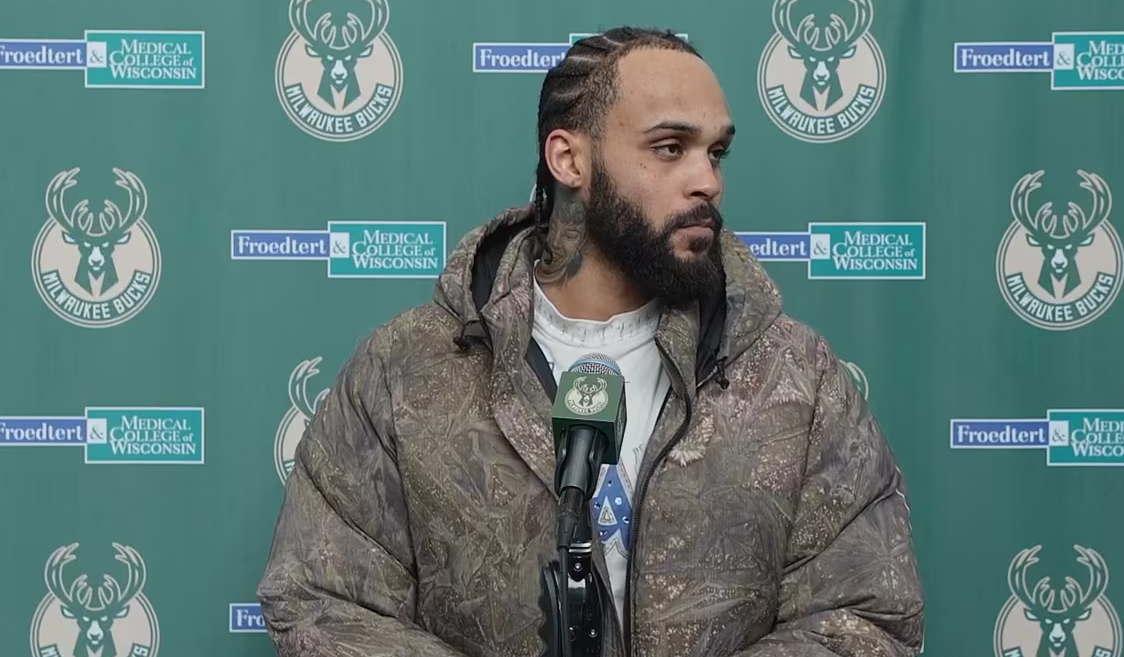
The Milwaukee Bucks could face significant consequences if the NBA determines that their contract arrangements with Gary Trent Jr. violated the league’s salary cap rules.
According to a report published Wednesday by The Athletic, league investigators are examining the circumstances surrounding Trent’s contracts with Milwaukee, including whether the team made an impermissible agreement to compensate him more generously in a future season in exchange for accepting a smaller deal earlier. The investigation remains ongoing, and no finding of wrongdoing has been announced against the Bucks or Trent.
The scrutiny follows the NBA’s September 2 announcement of penalties against the Los Angeles Clippers and Kawhi Leonard. An independent investigation found that the Clippers had arranged improper off-court compensation opportunities for Leonard, violating the league’s salary cap circumvention rules. The NBA fined the franchise $30 million, stripped it of five first-round draft picks and suspended several team officials, including owner Steve Ballmer. Leonard was ordered to pay the league $700,000.
The allegations involving Milwaukee concern a different potential method of circumventing the cap. Trent signed comparatively inexpensive contracts with the Bucks in 2024 and 2025 before agreeing to a substantially larger deal this offseason. Investigators are examining whether those earlier agreements were connected to a promise of future compensation rather than being independently negotiated contracts. The sequence of deals alone does not establish that any rules were broken.
The NBA has hired the law firm Hecker Fink to investigate the matter. A league spokesperson confirmed to The Athletic that the inquiry is ongoing but declined to provide further details. The Bucks and Trent’s representatives at Klutch Sports declined to comment, while sources familiar with the investigation told the outlet that both parties are cooperating.
As the report noted, if investigators establish that Milwaukee and Trent engaged in prohibited salary cap circumvention, the resulting penalties could be comparable to, or potentially more severe than, those imposed on the Clippers and Leonard. That remains a conditional assessment, not an indication that the league has reached a conclusion or determined a punishment for Milwaukee.
The NBA’s salary cap system is designed to prevent teams from gaining an advantage through compensation arrangements that fall outside its collectively bargained rules. An undisclosed promise to reward a player later for taking less money now could raise different questions from the outside endorsement arrangements investigated in the Clippers case, but both would require evidence of an actual prohibited agreement before penalties could be imposed.
For the Bucks, the immediate issue is uncertainty. Trent’s contract is under examination, but the league has not announced that it was improperly negotiated. Until investigators complete their work and the NBA releases its findings, any discussion of fines, lost draft picks or other sanctions remains hypothetical.
The Clippers case demonstrated how seriously the league can respond to proven cap circumvention. Whether Milwaukee faces anything similar will depend on what investigators can establish about Trent’s agreements with the team.
