
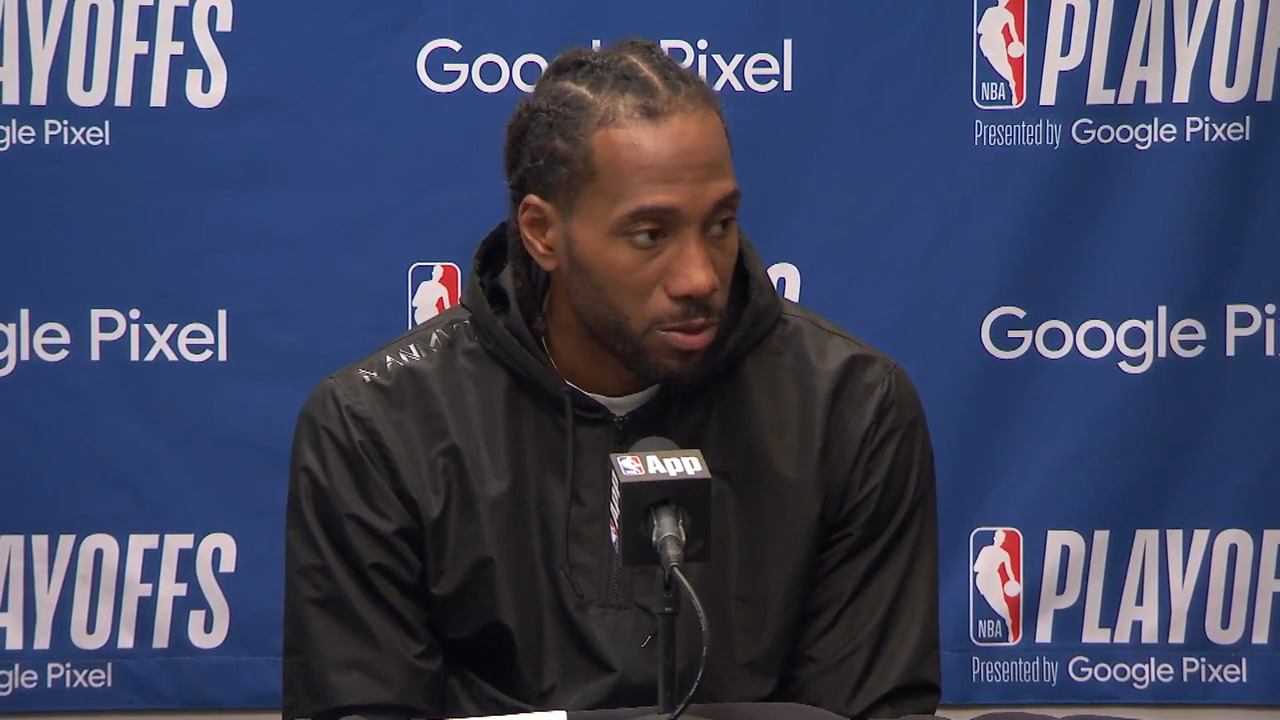
Brian Windhorst believes the latest allegations surrounding Kawhi Leonard and the Los Angeles Clippers are significantly more concerning than what had previously surfaced in the NBA’s ongoing salary-cap investigation.
Speaking about Pablo Torre’s report that Leonard had a previously undisclosed multimillion-dollar sponsorship agreement with Daktronics, the company that built the massive Halo Board inside Intuit Dome, Windhorst said the arrangement has the appearance of a kickback.
“I don’t need FBI training to understand a kickback,” Windhorst said. “Daktronics didn’t come out with a statement that denied this. They had a crisis PR man say something like ‘Kawhi’s not under contract right now.’ It was not a full-throated denial. This is extraordinarily troubling and looks different.”
Brian Windhorst with an update about the Kawhi Leonard situation:
“This situation is not hard to understand. I don’t need FBI training to understand what a kickback is. The thing that comes along with this is, some other outlets as well as the athletic have reported that the… pic.twitter.com/uELlj9No2T
— JayTakes (@SportsWithJay0) August 11, 2026
Windhorst’s concern centers on the relationship between the parties. Daktronics has a direct commercial connection to the Clippers after designing and manufacturing the centerpiece video-board system at the franchise’s $2 billion Intuit Dome. Torre reported that Leonard also had a separate sponsorship arrangement with the company worth millions of dollars.
An anonymous source quoted in Torre’s reporting alleged that the deal was intended to route additional money to Leonard outside of his NBA salary.
Daktronics’ public response has also drawn attention. A spokesperson said Leonard is not currently under contract with the company, but that statement did not directly deny the existence of a previous sponsorship agreement.
The Daktronics revelation comes on top of the separate Aspiration controversy already under NBA review. Torre previously reported that Leonard had a four-year, $28 million endorsement agreement with Aspiration, a company in which Clippers owner Steve Ballmer had invested $50 million. Former employees alleged that the arrangement required little or no promotional work from Leonard and was designed to provide him additional compensation outside the salary cap. The Clippers and Ballmer have strongly denied circumventing league rules.
That background is why Windhorst views the Daktronics report differently. One unusual endorsement agreement can potentially be explained as an independent business arrangement. A second multimillion-dollar deal involving another company with a significant Clippers relationship naturally creates additional questions for investigators.
