
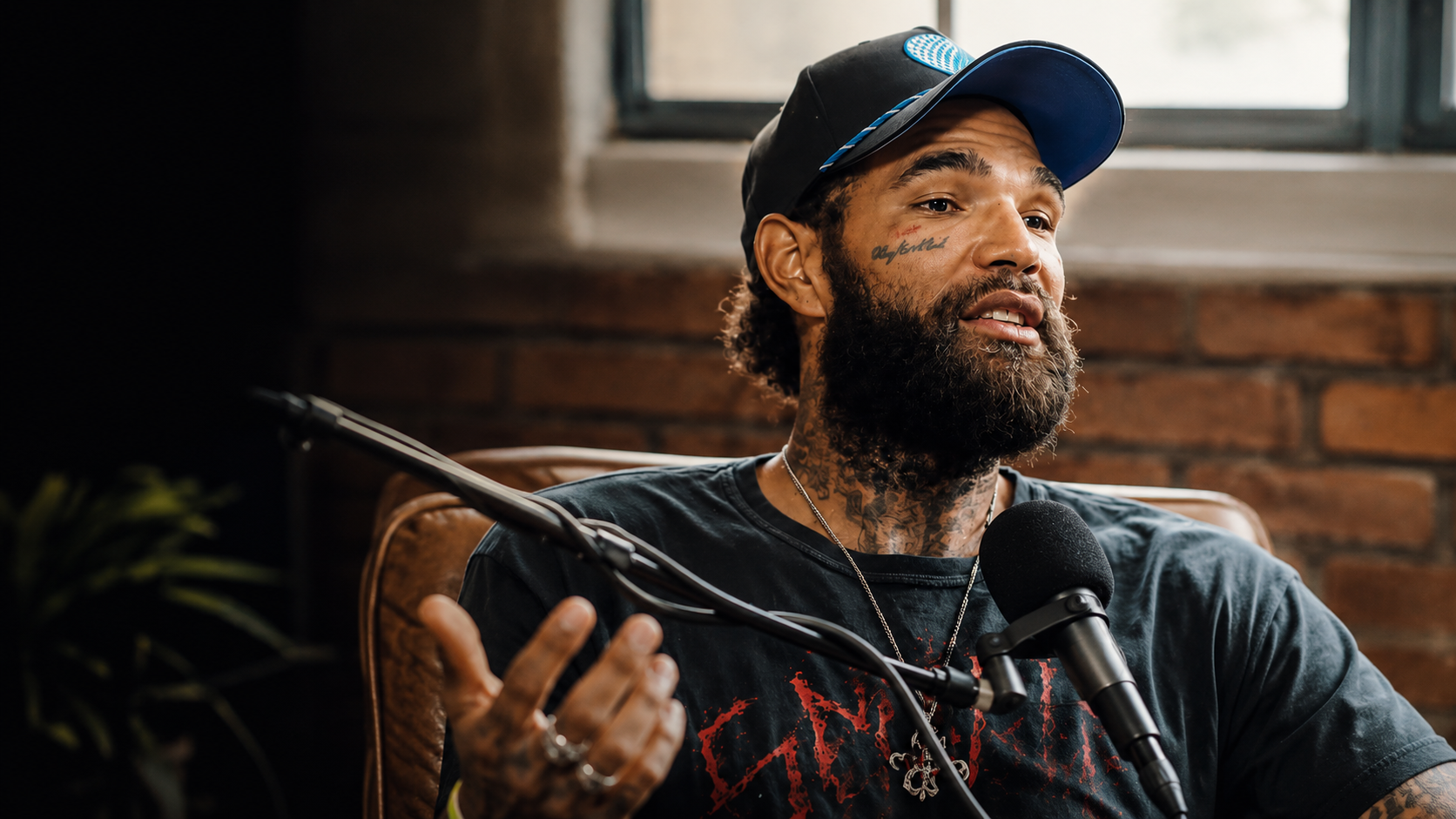
Willie Cauley-Stein once looked like the kind of player the NBA loves to dream on. Seven feet tall, mobile, athletic, a former No. 6 pick, a big man who could run the floor and change shots without needing the ball. From the outside, the story was easy to reduce to basketball: potential, inconsistency, stops with multiple teams, and then a quiet fade from the league.
But Cauley-Stein’s real story was never that simple.
In a raw and painful conversation about his addiction, Cauley-Stein opened up about using Percocet heavily and later learning the pills he was taking were laced with fentanyl. He described taking 10 to 15 pills a day, knowing that every use could cost him his life, but also feeling trapped by the addiction. What began as pain management became something much darker. It became escape.
“It wasn’t about pain no more,” Cauley-Stein said. “It was about escaping reality.”
Willie Cauley-Stein gets real about his addiction during his time in the league pic.twitter.com/angSs2dnwI
— Out The Mud Podcast (@OutTheMudTL) June 12, 2026
That reality was brutal. Cauley-Stein spoke about a year filled with death, grief and trauma, including the murder of a close friend, the overdose death of his younger brother, the death of his grandfather and multiple losses inside his circle. And because he was still playing, still expected to perform, still carrying the image of a professional athlete, he said he never really processed any of it. He just kept hooping. He just tried to sleep.
That is the part that should stay with people. Fans often talk about athletes as if money and talent make them immune to being human. But addiction does not care about draft position. Grief does not care about vertical leap. Trauma does not stop at the arena door.
Cauley-Stein has previously said his addiction was tied to the personal leave he took from the NBA in 2021 and his eventual exit from the league in 2022. In a 2024 interview with The Athletic, Cauley-Stein said he voluntarily entered the NBA’s drug program and spent 65 days in rehabilitation, later describing that decision as a turning point in his life.
