
The NBA’s latest draft-lottery discussions are no longer just theoretical tweaks around the edges. They are beginning to look like a real attempt to reshape late-season incentives across the league.
According to Marc Stein, there is meaningful support among general managers and owners for a flatter lottery model in which the 10 teams that miss the Play-In Tournament would each have an equal 8% chance at the No. 1 pick. Stein also reported support for expanding the lottery from 14 teams to 18 by including all eight Play-In teams, a concept designed to give more clubs a reason to stay competitive deeper into the regular season.
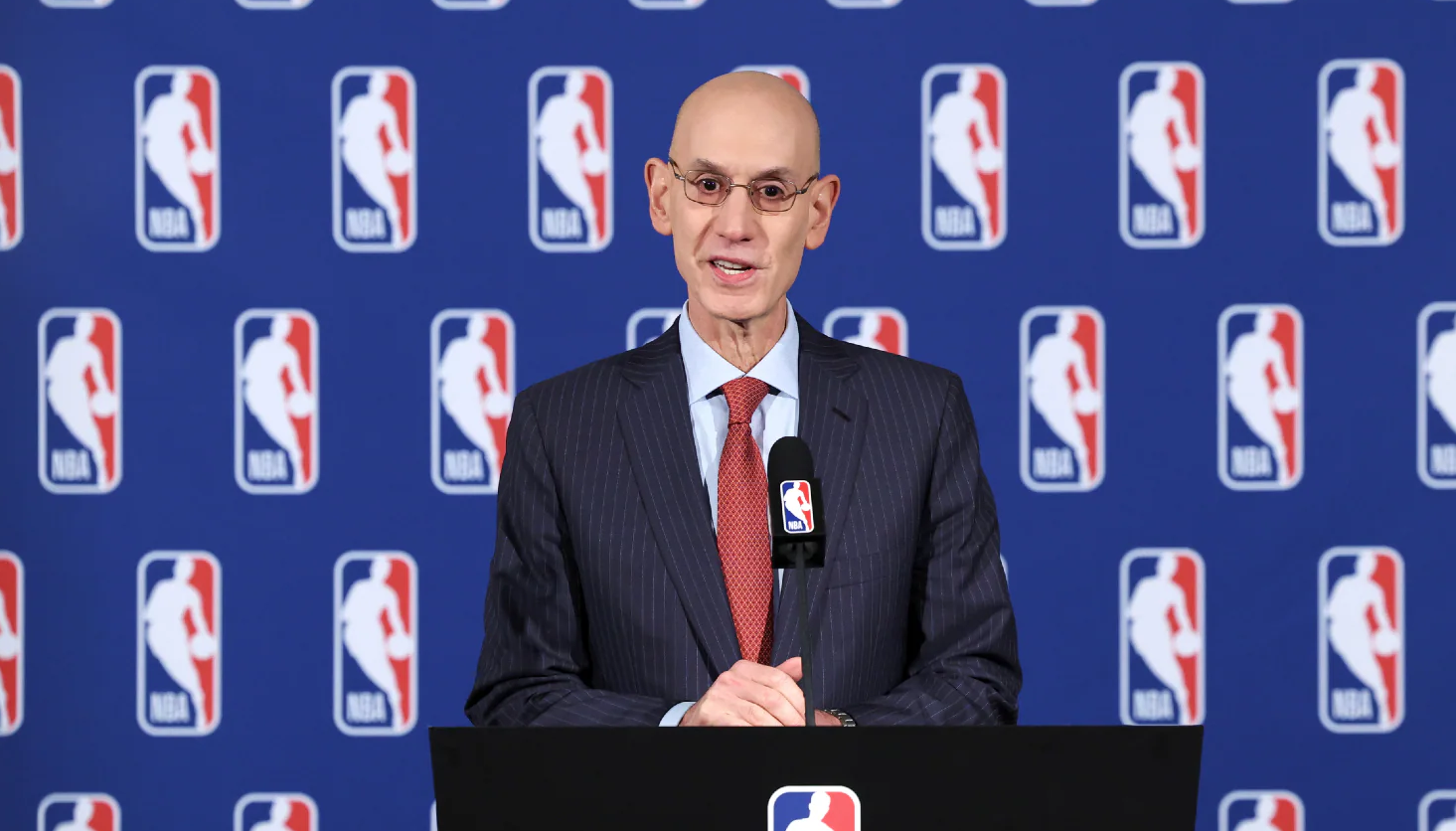
The league is no longer treating tanking as a background irritation. Commissioner Adam Silver has made clear that the NBA views the issue as a serious threat to competitive integrity, especially in a season shaped by heavy anticipation for the 2026 draft class. The Board of Governors is considering several reform concepts, with a further decision possible in May after additional refinement.
The logic behind the flattened-odds proposal is easy to see. If the bottom 10 non-Play-In teams all carry the same 8% shot at the top pick, then finishing with the very worst record becomes less attractive. In theory, that reduces the incentive for a club to keep sliding once the postseason is gone. Expanding the lottery to 18 teams works in a similar way: it gives Play-In teams a draft incentive too, which could make late March and early April less about positioning for ping-pong balls and more about trying to win enough to stay alive.
There are still obvious questions. Any lottery reform creates new strategic behavior, and not everyone agrees these concepts would solve the problem cleanly. The NBA has three proposals under consideration, not one, which reflects how uncertain the best cure still is. But the direction is unmistakable: the league wants to make losing less rewarding and late-season competitiveness more valuable.
