
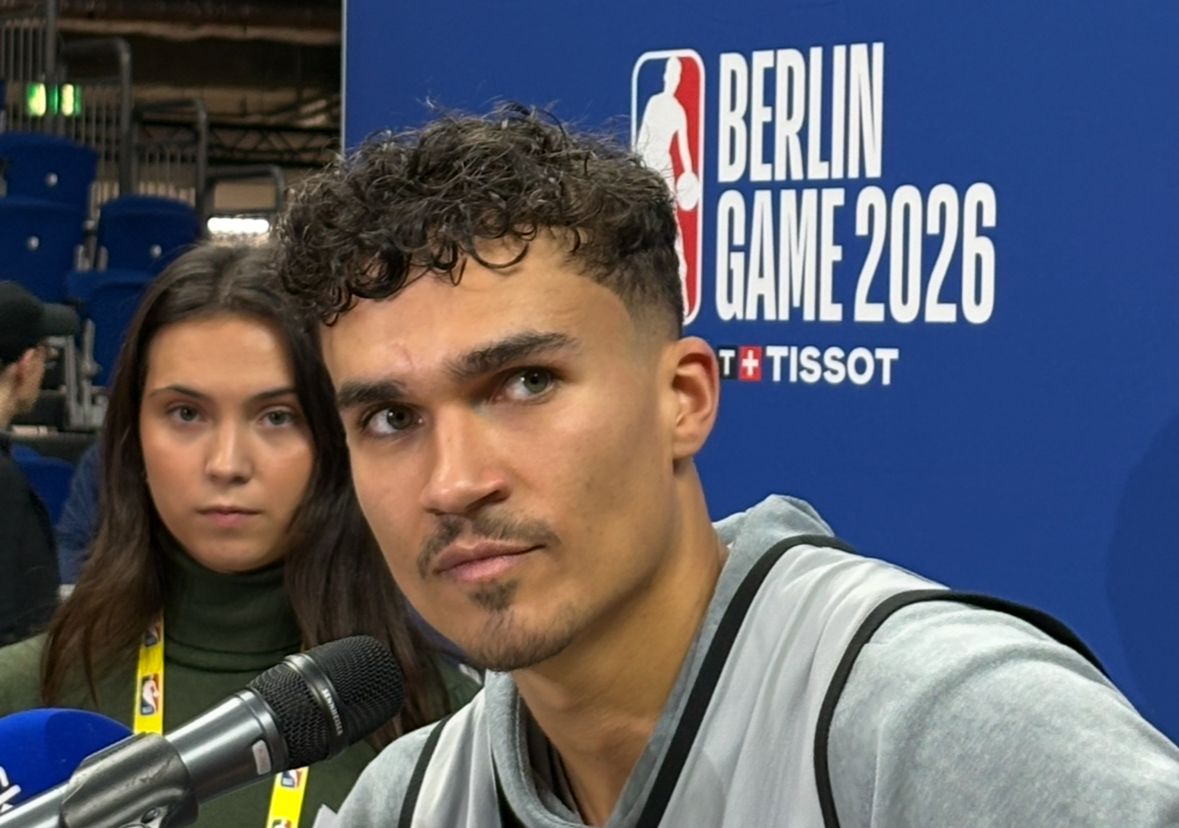
For the NBA, Berlin is supposed to feel like a celebration: the league’s first regular-season game in Germany, staged in the Uber Arena, packaged as a once-in-a-generation night for a market that has produced stars and steady fandom for decades. For a lot of fans, though, the headline wasn’t just Orlando vs. Memphis, it was the number attached to the seat.
By the eve of tipoff, only a handful of remaining tickets are on the market, with asking prices that had climbed to €410-750. That’s the kind of figures that changes how people do the math. It turns a night out into a micro–luxury purchase. It also triggers a comparison that would’ve sounded absurd a few years ago but now comes up in the same breath as “international game”: at these prices, you can start building a counter-offer that includes a passport stamp.
The core of the argument goes like this: if a Berlin ticket is hundreds of euros, sometimes well beyond that depending on where you’re sitting, why not just put that money toward a flight to Orlando, book a hotel, and watch a Magic home game in the place where 41 nights a season exist to be bought?
It’s not an internet exaggeration. It’s an economic reality that global sports keeps running into, because “scarcity” is the most powerful sponsor in the building.
Start with supply. A regular Orlando home game is one of 41 chances to see the Magic in their arena during the season; Berlin is one night, one building, one limited inventory drop. The Uber Arena site sells it as exactly that, an event, not a date on a schedule. When demand spikes into the hundreds of thousands of registrations, as reported in Germany, the market behaves the way markets always behave: the seat becomes a commodity, and the story becomes an accelerant.
Now put real travel numbers next to that. Skyscanner’s fare calendar for Berlin–Orlando shows cheapest round-trip options in around the €420 range (availability and dates vary, but the point is the ballpark). Add lodging: The average Orlando hotel night in a decent, but not luxurious hotel, can be found at about €100. Add the game ticket itself, Orlando’s own marketplace is broad enough that major ticketing platforms cite the cheapest ticket” ranges around €20. Suddenly the comparison stops being a joke and starts being a question of what you’re actually paying for.
Because this is the hidden truth in the “just fly to Orlando” line: you’re not really comparing basketball to basketball. You’re comparing basketball to scarcity plus symbolism.
Berlin isn’t priced like a normal game because it isn’t being sold like a normal game. It’s being sold like a coronation. Germany’s first official regular-season NBA night, the Wagner brothers in their hometown, the league planting a flag. That matters, and it’s worth something. But “worth something” becomes “worth anything” in a hurry when fans feel they’re bidding against each other for the right to say they were there.
London has its own version of the same effect. The NBA is returning to the UK on Sunday, at The O2, and while official outlets push tickets and premium options through the usual channels, the broader conversation quickly turns to how high the top end can go, especially once hospitality and VIP layers enter the picture. Even the way the event is marketed; experience packages, add-ons, premium access, signals that the league isn’t just selling a seat. It’s selling a lifestyle product.
That’s the part fans react to, especially in Europe where domestic basketball cultures are built on season tickets, community identity, and a more accessible “this is for the people” texture. When an NBA Europe date becomes a luxury market, the arena doesn’t just fill with spectators; it fills with a new audience definition. A portion of the building becomes corporate. Another portion becomes international basketball tourists. And the die-hard local fan, the person for whom this night is supposed to be historic, ends up watching the history from a screen because the cheapest remaining seat costs more than their monthly grocery bill.
The NBA can argue, correctly, that this is simple demand. That it’s not a conspiracy; it’s a sold-out event with a secondary market doing what secondary markets do. That it’s a sign of strength: the league came, and Berlin proved it can sell the dream at global-event prices.
But fans don’t experience “demand.” They experience exclusion.
And they experience it in the most visceral way possible: by opening a ticket page, seeing a number like €500, then opening a flight page and realizing the Atlantic Ocean sometimes costs less than the lower bowl.
That’s not just a consumer complaint. It’s a warning light for what “NBA in Europe” could become if the league leans too hard into scarcity pricing as a default setting. The NBA wants Europe not merely as a touring market, but as a long-term growth pillar, possibly even with deeper league ambitions on the continent in the future. The quickest way to build lasting resentment is to teach fans that “NBA in your city” means “NBA, but only if you can afford to be VIP.”
Because if the price of the memory is so high that the rational move is to fly to Florida and turn it into a vacation, then the product isn’t “a game” anymore. It’s a status symbol.
And status symbols always sell. The question is: who do they sell to, and who do they leave outside the doors?
