
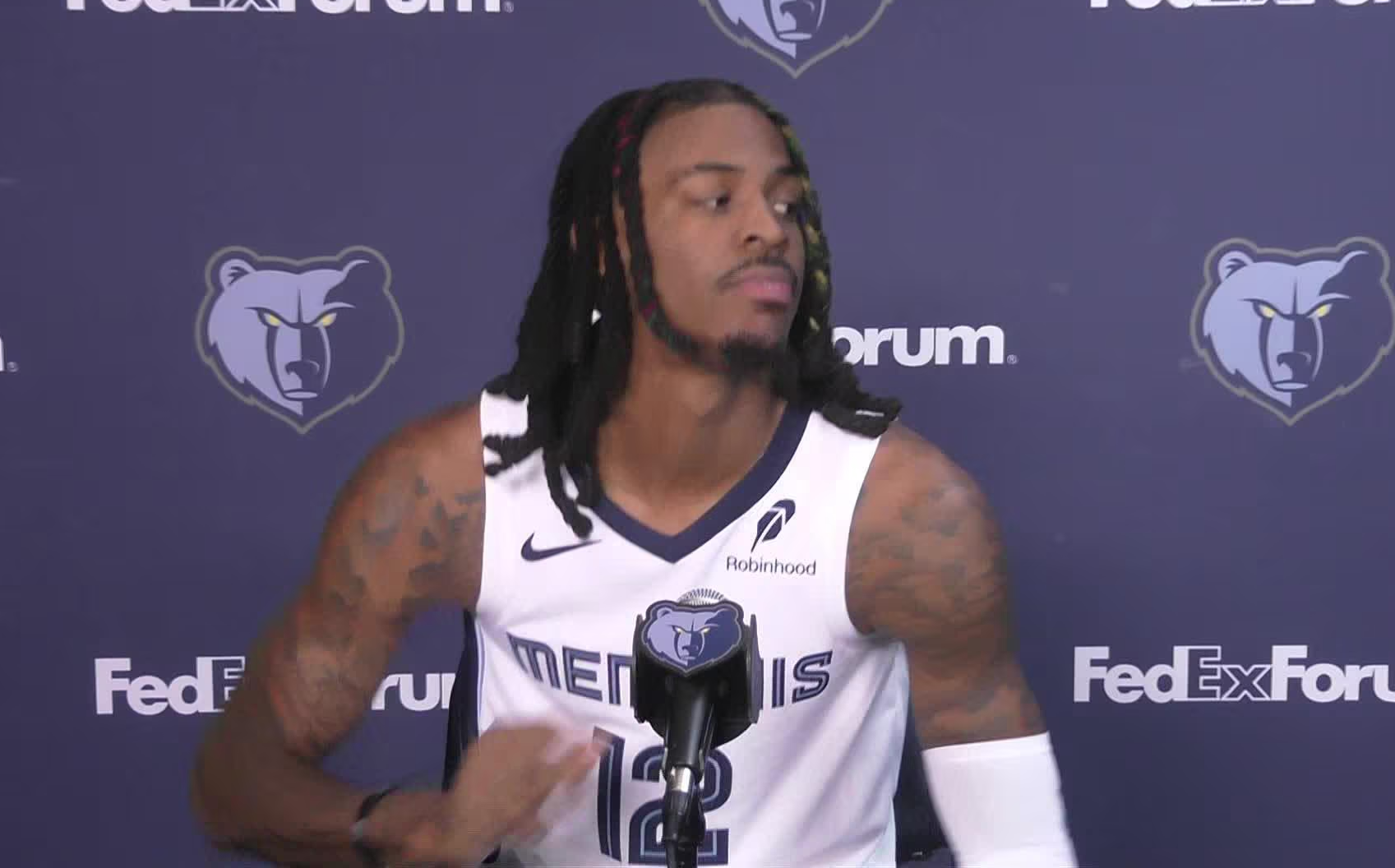
For most of his time in Memphis, the idea of Ja Morant being available was treated like a non-starter, an internet hypothetical that belonged in message boards, not front offices. That’s why Friday’s reporting hit with the force of a franchise-level tremor: the Memphis Grizzlies are open to trade offers for Morant ahead of the Feb. 5 NBA trade deadline, according to ESPN’s Shams Charania.
Just in: For the first time, the Memphis Grizzlies are entertaining offers to potentially move two-time All-Star Ja Morant ahead of the Feb. 5 NBA trade deadline, sources tell ESPN. pic.twitter.com/SD0RT9Jhuj
— Shams Charania (@ShamsCharania) January 9, 2026
There’s an important distinction here: being “open” doesn’t mean a deal is imminent, or even likely. It means the Grizzlies are doing something they haven’t done before with Morant, entertaining the conversation, and in the NBA, that’s the moment a player stops being untouchable and starts being valued in real-time, in assets and leverage and urgency.
The outline of what Memphis would want is as unsurprising as the headline is shocking. The Grizzlies would be seeking draft picks and young players in return. That’s the language of a team preparing for multiple timelines at once: remaining competitive while also building insulation against risk, risk that can come from injuries, from volatility, from a league where one bad year can turn a roster into a dead end if you don’t have future equity.
And Morant is, unavoidably, a risk-reward superstar. He’s 26, under contract in the third season of a five-year, $197 million deal that runs through 2027–28, and he’s also eligible this summer for up to a three-year, $178 million extension. A team trading for him isn’t just buying talent. It’s buying a financial decision, and it’s buying it quickly.
On the floor, the numbers in this report reflect a season that hasn’t matched his prior standard. Morant is averaging 19.0 points and 7.6 assists over 18 games this season.
But Memphis’ willingness to listen is also a tacit admission that the last few years have been heavier than just basketball. Morant’s tenure has included high-profile off-court controversies and suspensions, including prior league discipline related to firearm incidents and a more recent one-game suspension noted in Reuters’ summary of his timeline. When a franchise starts assessing its future, availability and stability count the same way shooting and playmaking do; sometimes more.
That is the heart of this story: the Grizzlies aren’t simply weighing a trade; they’re weighing a direction. The team that once looked like the league’s next long-term pest, a relentless, young, confident group built to run, has been forced to live through the fragility that comes with relying on a singular engine. When that engine is unavailable, or when the surrounding context becomes an ongoing distraction, the organization has to ask the hard question teams hate asking: is the core still the core, or is it time to pivot before the market shifts again?
It’s also why this report doesn’t automatically read as a teardown. The Grizzlies can be open to moving Morant without being eager to do it. In fact, “open to offers” often functions as a market test: What does the league think he’s worth right now? How many teams will actually put premium picks on the table? How many will attach the kind of young, high-upside talent that justifies moving a franchise face?
Because the other side of the equation is obvious: there aren’t many players who can do what Morant does. If Memphis trades him, it’s choosing a different identity, likely one built around steadier team defense, different shot creation, and a slower, more incremental path back to contention unless the return is overwhelming. That’s why these situations almost always turn into a staring contest. The team wants a king’s ransom. The market wants a discount for uncertainty. The deadline forces someone to blink.
The most revealing part of the reporting may simply be the timing. With the trade deadline less than a month away, Memphis has allowed the league to understand this much: if the right offer exists, the Grizzlies will listen. And once a franchise crosses that line publicly, the rest of the season changes. Every game becomes context. Every absence becomes louder. Every rumor becomes easier to believe.
Whether Morant is moved or not, the door being opened is the story. For the first time in the Ja era, Memphis is letting the NBA imagine a future where he isn’t the centerpiece. And in this league, imagination is often the first step toward reality.
