
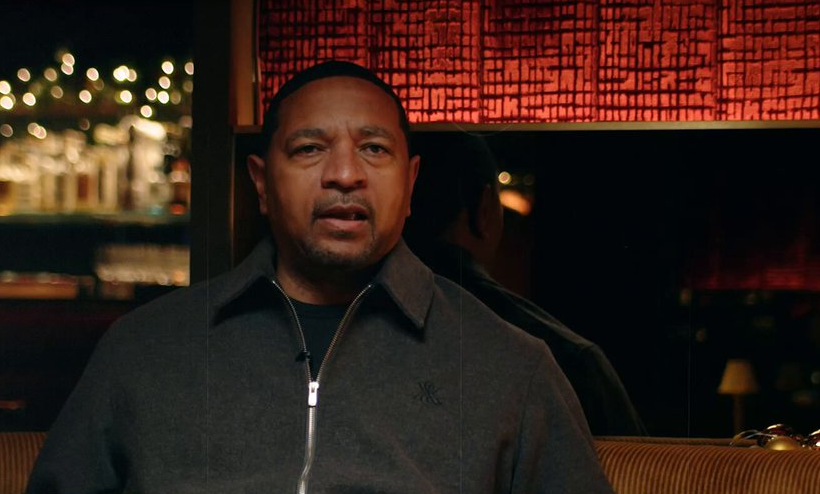
Mark Jackson has played for enough basketball royalty to make any “best coach I ever had” conversation tricky. He entered the NBA in 1987, stuck around for 17 seasons, and shared locker rooms with a rotating cast of legends and championship infrastructure. By his count, he’s been around “7 or 8 Hall of Fame coaches.”
And yet when Jackson recently reflected on the coach who shaped him most, he didn’t hesitate. He picked the first one.
“I’ve had 7 or 8 Hall of Fame coaches. Rick Pitino is the best coach I ever played for,” Jackson said, crediting Pitino with giving him a level of conviction that bordered on the absurd. “It instilled something in me where the dude had me believing I was better than Magic Johnson. I know I’m not better than Magic but if you put me on a lie detector test, I would have passed it.”
It’s a hilarious line, and also a revealing one. Because Jackson isn’t really making a case that he belonged in a Magic conversation. He’s explaining what elite coaching can do when it’s delivered with total commitment: it can manufacture certainty in places where doubt usually lives.
Pitino coached the Knicks from 1987 to 1989, and Jackson was his rookie point guard, the 18th pick out of St. John’s. That first year, Jackson thrived, winning the NBA’s Rookie of the Year award under Pitino.
When people talk about “empowering” players, this is what it looks like in practice: a young guard learning the league at warp speed, backed by a coach who doesn’t just believe in him privately, but convinces him to believe it, too.
Jackson’s story also fits Pitino’s reputation as a tone-setter. His best teams, at every level, have tended to carry that Pitino stamp: relentless pace, relentless pressure, and a psychological edge that says you’re going to break before we do. The specific tactics change by era and roster, but the mindset doesn’t, and Jackson is describing the mindset as much as the X’s and O’s.
Years later, that same “belief is a weapon” idea became part of Jackson’s own coaching identity. As a head coach, he was known for preaching confidence, toughness, and competitive clarity; the intangibles that don’t show up in a play diagram but absolutely show up when the game tightens. The pipeline from Pitino-to-player to Jackson-to-coach isn’t hard to trace, and Jackson himself has framed Pitino as the foundational influence that helped him last nearly two decades in the league.
