
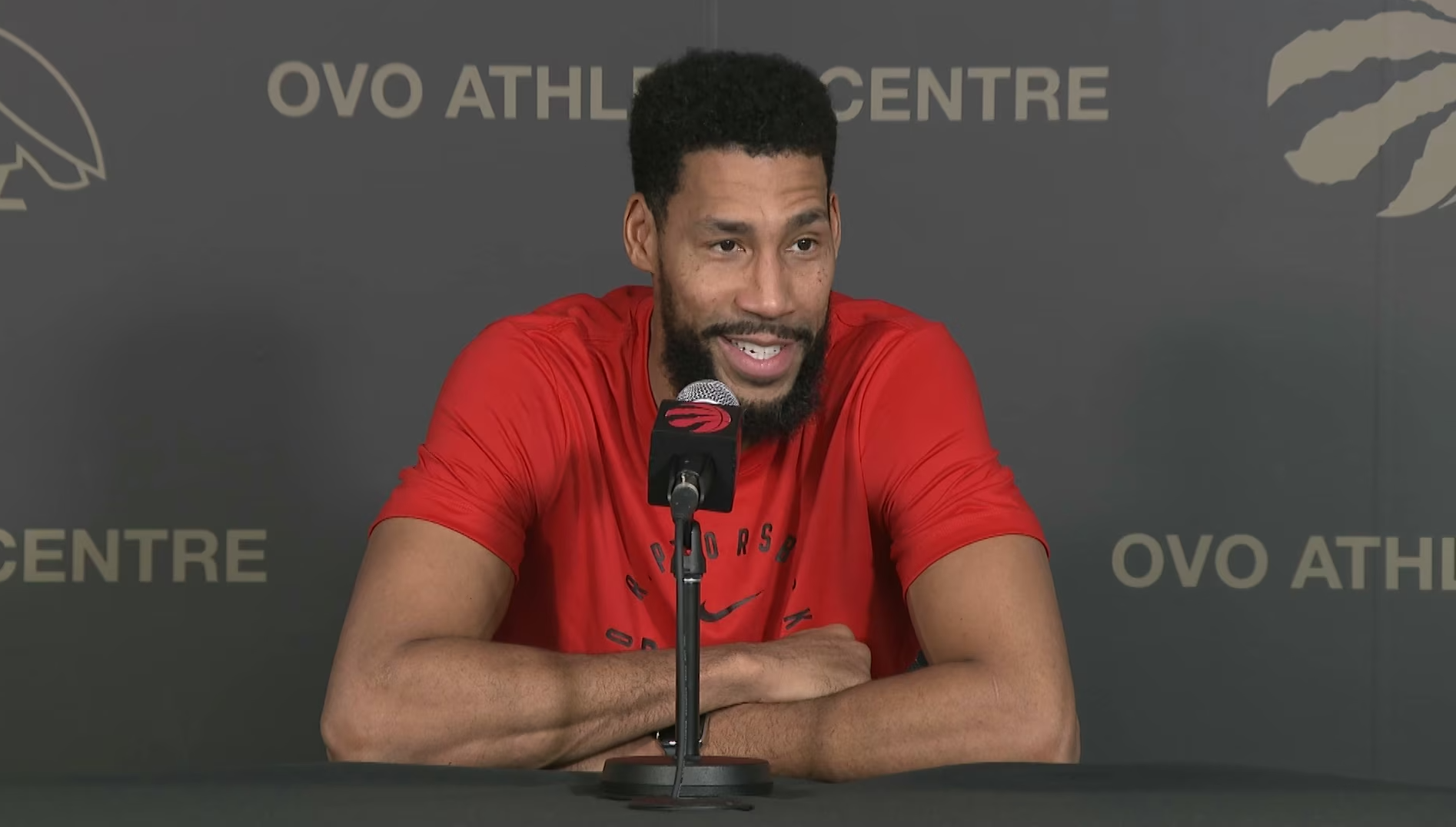
Garrett Temple believes that staying in the NBA requires more than talent. After 16 years in the league, the veteran guard says one of the most valuable qualities a player can develop is the ability to make life easier for everyone around him.
For Temple, that means understanding his role, remaining professional and being willing to contribute without demanding special treatment. He believes those habits can be especially difficult for highly regarded young players who have spent much of their lives as the focal point of their teams.
“I think it’s more difficult for highly touted guys, or guys that are just very talented, that can do a lot of good things and don’t get that opportunity right away,” Temple said. “I think they may not be able to be adaptable.”
In a league filled with exceptional athletes, Temple argues that talent alone does not guarantee a lasting career. Coaches and front offices also value players who arrive on time, work consistently, accept their responsibilities and do not create unnecessary problems.
“The talent level is immense. But the ability to be professional, and that’s general, but that means be on time, have a work ethic, be low maintenance. I think that’s the big thing now.”
Temple describes himself as a “What do you need, Coach?” player: someone who is prepared to adjust to the team’s needs rather than insist on a particular role. In his view, dependable defense, a positive attitude and a willingness to contribute without complaint can make a player difficult to replace, even when his offensive production fluctuates.
“If you produce defensively and you cause no problems, you only bring positivity to the team, it’s hard for coaches and GMs to get rid of you,” he said. “It’s very hard.”
That approach sounds straightforward, but Temple acknowledged that accepting a smaller role can test a player’s pride. Sitting out several games while believing you could help the team is frustrating, particularly for athletes who were accustomed to being stars earlier in their careers.
“The ego is so big in professional sports,” Temple said. “You have to have one to get to a certain level, but you literally have to be able to turn it on and off.”
Temple’s career reflects that adaptability. After going undrafted in 2009, he established himself as a defensive-minded guard and veteran presence across numerous NBA teams. His longevity has depended on contributing in different roles rather than expecting the same opportunities everywhere he plays.
Ultimately, Temple believes the most important adjustment is learning to put team success ahead of individual expectations.
“Once your mindset is about winning, the team winning, you can focus on doing whatever the team needs you to do to win,” he said. “That’s the biggest thing that allows people to stay in the league.”
Garrett Temple says the secret to lasting 16 years in the NBA is being low maintenance
“I think it goes back to what we talked about earlier. Just understanding your role. I think it’s more difficult for highly touted guys, or guys that are just very talented, that can do a lot… pic.twitter.com/QfPKw8PZ5U
— Josh Chambers (@JoshChambers) September 24, 2026
For younger players trying to establish themselves, Temple’s message is that professionalism is a skill worth developing alongside shooting, defense and playmaking. Talent can earn an NBA opportunity, but being reliable, adaptable and ready when called upon can help extend a career long after the initial excitement has faded.
