
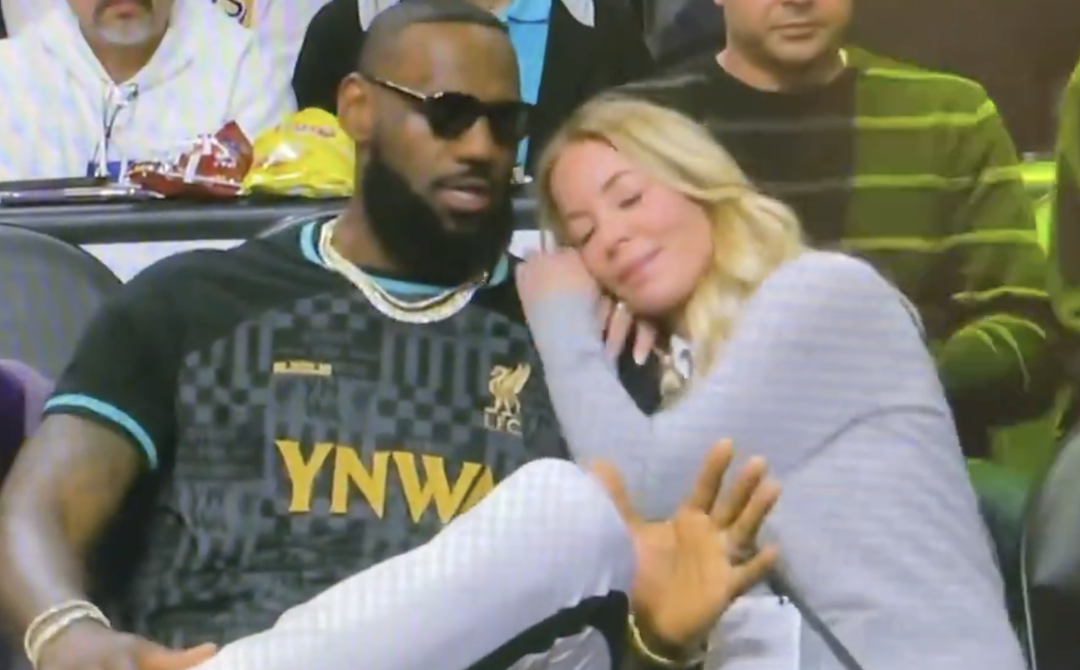
For most of LeBron James’ Lakers tenure, the public image has been a steady handshake: the sport’s most influential player and the league’s most famous franchise, aligned by ambition and held together by a championship banner. This week, an ESPN report by Baxter Holmes challenged that picture, describing a relationship between Lakers governor Jeanie Buss and James that, according to team sources cited in the story, had been fraying for years; less an explosion than an accumulation of grievances about influence, accountability, and who gets credit for saving the brand.
The reporting paints Buss as privately “grumbling” about what she felt was James’ “outsized ego” and the leverage of Klutch Sports, the agency led by Rich Paul that represents James and other stars. It also describes Buss bristling at the “savior” narrative that accompanied James’ 2018 arrival, an idea that he revived a floundering franchise, rather than the organization being praised for landing him.
Where the story sharpens is at a familiar inflection point in the Lakers’ modern timeline: the Russell Westbrook trade. Holmes’ report links a widening distance between Buss and James to the 2021 deal, describing it as a move the franchise made in part to appease its superstar, only for it to backfire disastrously. In that framing, Buss’ frustration wasn’t simply that the roster fit failed, but that, in her view, James did not publicly wear responsibility when it failed, an emotional ledger item that lingered long after Westbrook was moved.
The report goes further, saying Buss privately considered more drastic options in 2022, including the idea of not extending James and even floating the possibility of trading him, with the Clippers mentioned as a theoretical destination. Whether those thoughts ever came close to becoming real negotiations is difficult to verify from the outside; the significance, if Holmes’ sourcing is accurate, is that they existed at all inside a franchise that has typically treated its megastars as immovable pillars.
The most personal wrinkle in the story involves Bronny James. Holmes reported Buss felt James was not sufficiently appreciative after the Lakers drafted Bronny with the 55th pick in 2024, and that when extension talks came up that summer, she viewed the political cost of not extending LeBron as a looming public-relations hit. In that telling, a contract becomes less a reward than a risk calculation: the organization deciding what it can afford to endure, reputationally, if it draws a hard line with the face of its era.
Unsurprisingly, the report triggered pushback. Rich Paul publicly downplayed the idea of a deep fracture, responding dismissively to the rumor cycle and emphasizing that James’ camp has felt treated well in Los Angeles. Buss, for her part, has also rejected the insinuation that she doesn’t appreciate James, publicly disputing the narrative and saying she wants him to retire a Laker.
None of this changes the visible facts: James delivered the Lakers a title in 2020, and the franchise spent the years after chasing a second in an environment where the margins are brutal and the politics are constant. What the reporting does is put language to something most superstar partnerships eventually confront, who really runs the place, who takes the heat when a move fails, and how long a franchise can tolerate feeling like a supporting character in its own story.
