
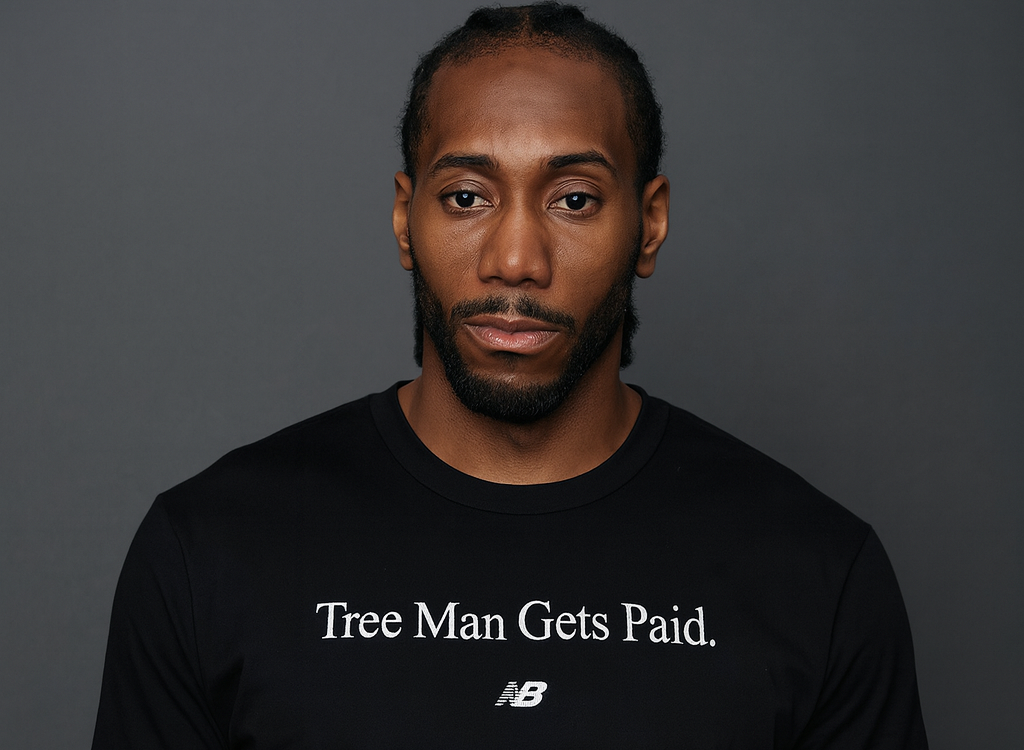
The Athletic’s Joe Vardon reported that sources around the league share the Clippers’ belief that the NBA’s ongoing investigation into Kawhi Leonard, Steve Ballmer, and the financial relationship with Aspiration is unlikely to uncover wrongdoing. The sentiment reflects internal confidence from Los Angeles as the league reviews whether any off‑books compensation or cap‑circumventing arrangements occurred tied to Leonard’s association with the company.
The investigation follows months of scrutiny sparked by reporting that detailed an alleged “no‑show” agreement between Leonard and Aspiration, alongside questions about Ballmer’s investments and the potential for indirect payments that could violate salary cap rules. Coverage has outlined that the league opened a formal inquiry, with Ballmer publicly welcoming the process, reiterating a position that transparency would clear the organization of impropriety.
Legal pressure intensified earlier this fall when a group of former Aspiration investors amended and refiled a lawsuit naming Ballmer as a defendant. The complaint alleges Aspiration, now operating as Catona, was used to funnel money to Leonard in a manner designed to bypass cap restrictions, accusations Ballmer has denied. The filing broadened the civil dispute but remains separate from the NBA’s internal investigation, which has not produced public findings to date.
Media day questions escalated into a league probe after documents and interviews raised concerns about the structure and intent of the Leonard–Aspiration relationship. The cap‑management implications if any undisclosed benefits were proven, while also noting the Clippers’ stance that their dealings comply with NBA rules. As of now, reporting indicates the league’s review remains active, and sources familiar with it expect no conclusive evidence of rule-breaking to emerge.
Ballmer has been consistent in his messaging, saying he welcomes scrutiny and asserting that the organization did not engage in illicit compensation schemes. While the civil case continues on its own track, the NBA’s process is focused narrowly on violations of league rules; Vardon’s sourcing suggests the prevailing view among team and league contacts is that the investigation will close without punitive findings.
If the NBA ultimately finds no wrongdoing, the outcome would reinforce the Clippers’ position while leaving unresolved questions to the courts and to public debate about third‑party business relationships involving star players. Until the league issues a formal conclusion, however, the matter remains open, shaped by parallel legal filings and an investigation that industry voices currently expect to end without sanctions.
