
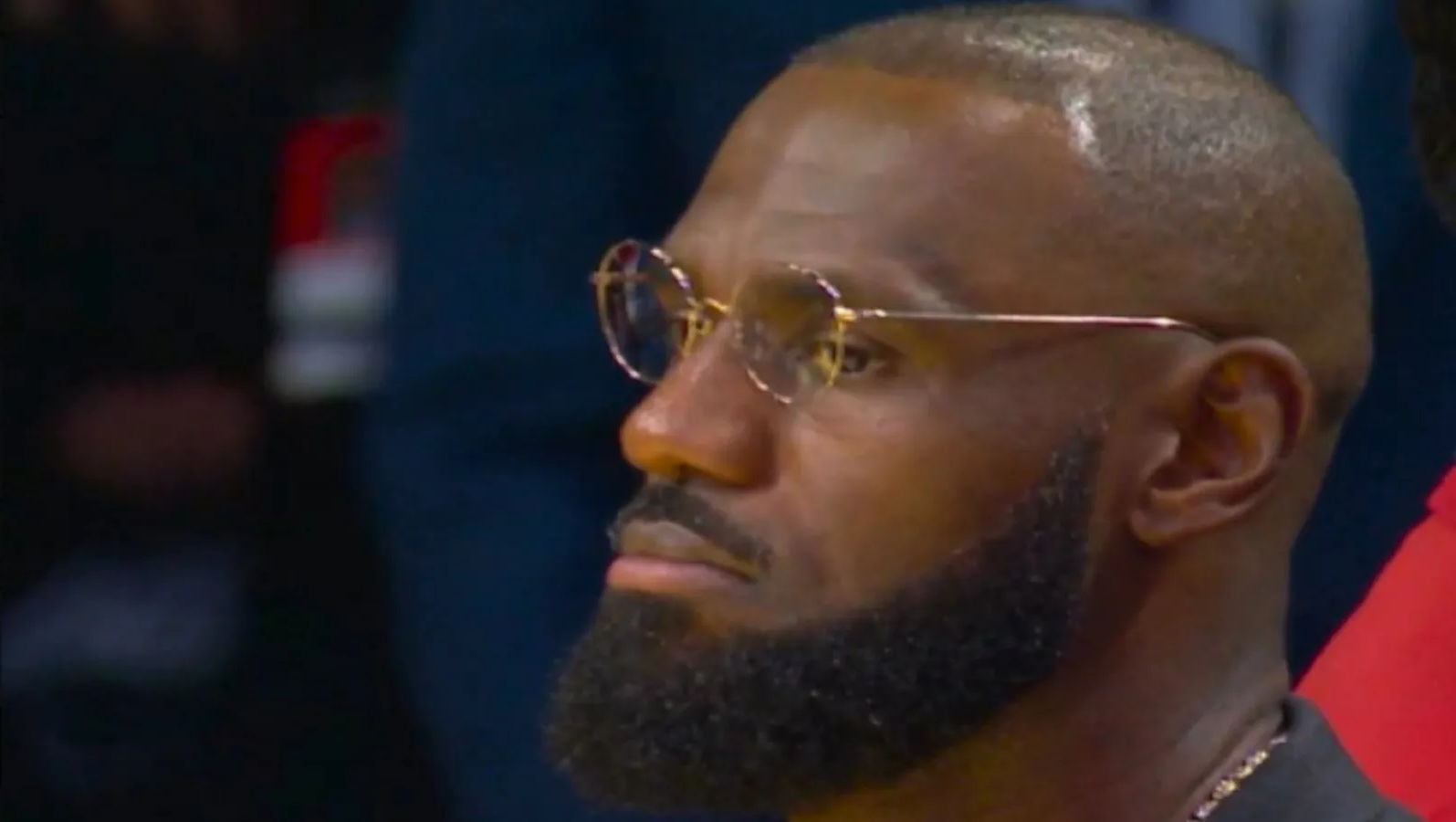
Former NBA forward Chandler Parsons criticized LeBron James for staying on the floor late in the Lakers’ 125–108 loss to the Phoenix Suns to preserve his double‑digit scoring streak, arguing the team prioritized James’s legacy over the game itself. Parsons made the remarks on Run It Back, saying it was the first time he felt James “looked his age,” and that the late‑game push for 10 points amounted to stat‑padding rather than competing in a decided contest.
James entered the fourth quarter with his 10‑point streak in jeopardy, sitting at six points with just over eight minutes remaining as the Suns maintained a blowout lead. He then hunted offense to reach 10, ultimately hitting a step‑back three from deep with 6:51 left to extend his double‑digit streak to 1,297 consecutive regular‑season games, before being subbed out shortly after.
Parsons framed the sequence as emblematic of an organizational choice by the Lakers to cater to James’s milestones. He suggested head coach JJ Redick kept James in specifically to preserve the streak, calling it a “nice gesture” that, in his view, came at the expense of focusing on the broader aims of the season during a lopsided defeat.
Chandler Parsons says LeBron stat-padded to get 10 points last night and believes the Lakers are catering to his legacy instead of focusing on the season
(🎥 @RunItBackFDTV )
— NBACentral (@TheDunkCentral) December 2, 2025
Parsons’s comments also referenced the preceding night, when James rested against the New Orleans Pelicans on the front end of a back‑to‑back, adding to the perception that the Suns game was meant to feature a sharpened outing that never materialized. Instead, Parsons argued, the closing stretch looked like a pursuit of a personal marker that the team supported, reinforcing his point about legacy over immediate competition.
The episode rekindled familiar debates around the line between historic achievements and situational priorities in the NBA. James’s streak endures as a remarkable testament to consistency, but Parsons’s critique questions how teams weigh milestones against game context, especially in blowouts where the result is no longer in doubt.
