
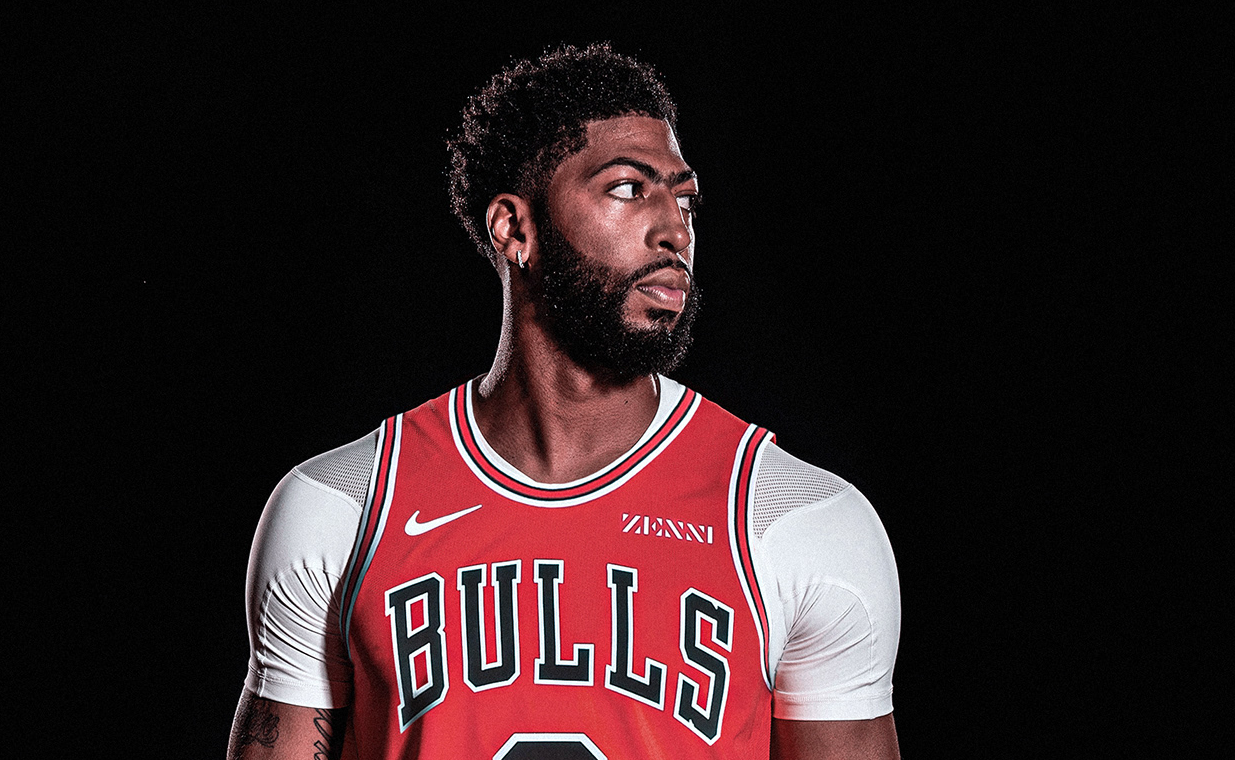
The Chicago Bulls have held internal discussions about how to proceed after an uneven start and have talked about the possibility of trading for Dallas Mavericks star Anthony Davis, according to ESPN’s Jamal Collier. Team decision-makers believe Davis could address the Bulls’ porous rim protection and interior defense, but the conversations are exploratory and not indicative of an imminent move.
After opening the season 6–1, Chicago has slipped back to 9–10 and into 10th in the Eastern Conference, prompting renewed debate on whether to buy, sell, or stay the course as trade season approaches. Collier’s reporting framed the Davis idea as part of a broader internal review rather than a singular pursuit, with at least one source downplaying the likelihood of chasing a “megastar” at this stage. The Bulls see the Eastern Conference as open enough to stay in the hunt, but they’re balancing that view against the cost and risk of a blockbuster deal.
League outlets contextualized Chicago’s options with the assets it could marshal and the boundaries the front office has set. The Bulls hold their own first-round picks for the next seven years, plus a 2026 pick from Portland (top-14 protected), and could have nearly $70 million in cap space next summer. Even so, Chicago is considered reluctant to move pieces of its young core unless the team is closer to contention, tempering the feasibility of a Davis trade in the near term.
Davis’s Chicago roots add an obvious narrative thread. He was born and raised in the city, and local familiarity has helped fuel speculation. Davis could fortify the defense, while reiterating that Chicago won’t sacrifice its developmental core to make such a trade unless the competitive calculus shifts. That posture aligns with the Bulls’ broader strategy: retain flexibility, monitor opportunities, and avoid overcommitting before the roster proves it’s ready for a leap.
The Mavericks’ situation is part of the backdrop. Davis has appeared sparingly this season amid injury issues, and Dallas has stumbled out of the gate, which has intensified league-wide speculation around their next steps. Aggregations of Collier’s report emphasized Chicago’s stance as interest rather than intent, tethered to defensive need rather than star-chasing for its own sake. In short, the Bulls have explored the concept, but there’s no indication of advanced negotiations or a framework for a deal.
As the December calendar opens trade mechanics for many recently signed players, the Bulls’ deliberations reflect a familiar crossroads: bolster the roster with a major swing or protect long-term assets until performance merits it. For now, the Davis discussion sits as an option on Chicago’s board, plausible in fit, complicated in cost, and constrained by the team’s current appetite for risk.
