
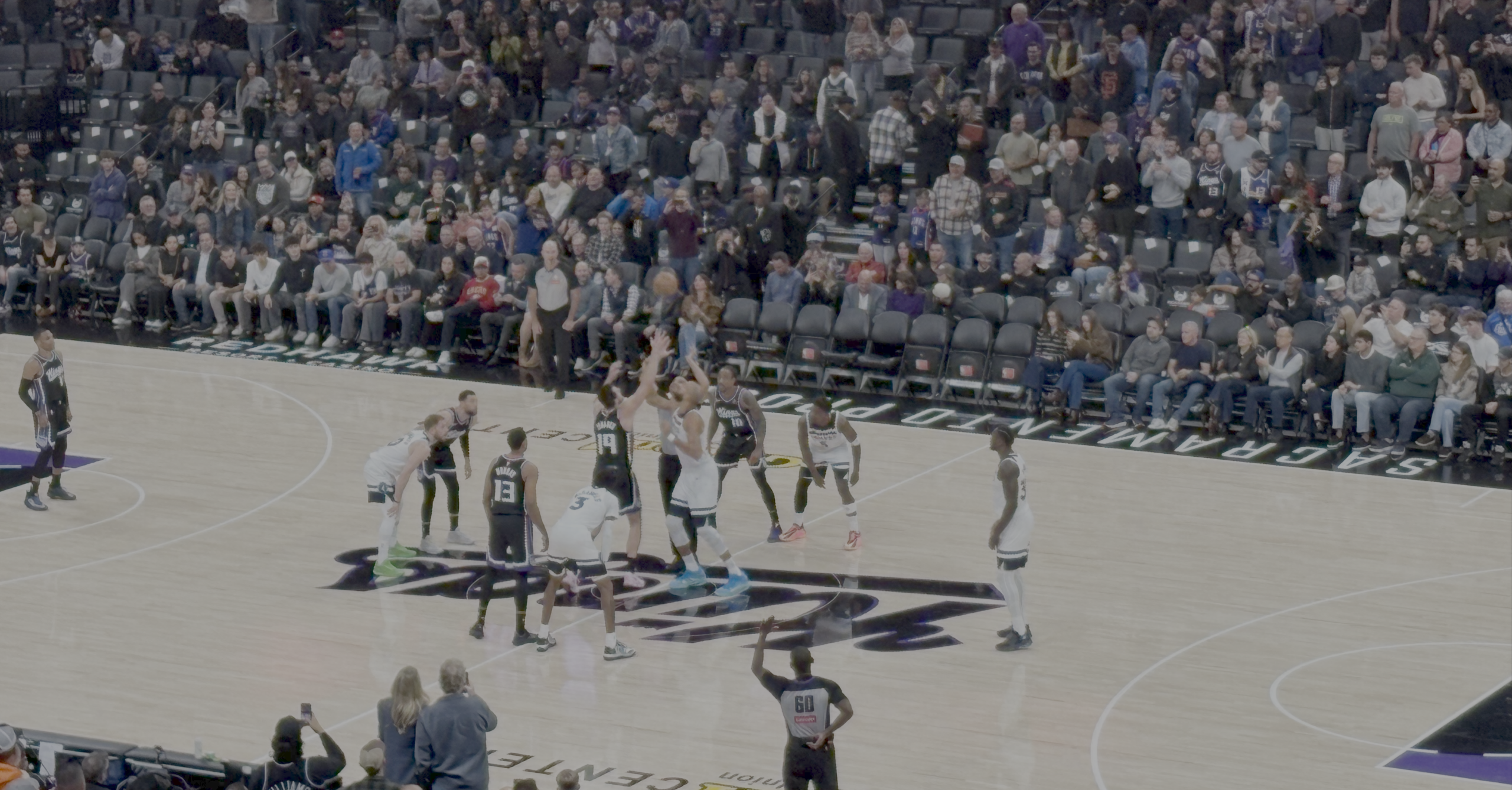
The Sacramento Kings seized a 117–112 overtime victory over the Minnesota Timberwolves, overturning a 10-point deficit in the final three minutes of regulation and capitalizing on Minnesota’s second straight late-game collapse.
DeMar DeRozan tied the game at 101 with two free throws at 34 seconds, and after both sides missed on the final possession, the Kings controlled OT to secure their second consecutive win.
DeRozan led Sacramento with 33 points, adding four assists and three steals in a poised, veteran performance that steadied the Kings during the fourth-quarter push and overtime sequences. Keegan Murray delivered a complete game with 26 points on 10-of-19 shooting, including 3-of-5 from three, and dominated the glass with 15 rebounds, repeatedly flipping possessions in Sacramento’s favor. Malik Monk added 22 timely points, helping the Kings find offense as they chipped away at Minnesota’s lead.
Anthony Edwards was spectacular for the Timberwolves, scoring 43 points on 16-of-29 shooting while mixing rim pressure with efficient perimeter shot-making. Yet Minnesota couldn’t close it out, echoing their Friday loss in Phoenix when they surrendered an eight-point lead in the final minute. On Monday, Minnesota led by 10 with three minutes left before DeRozan’s late free throws forced overtime, where Sacramento’s execution and composure carried the deciding stretch.
The game hinged on late-game details. Sacramento tightened its defense, contested cleanly, and leaned on DeRozan’s foul-line precision to erase the deficit. In overtime, the Kings’ pace control and glass work, driven by Murray’s rebounding, limited second-chance looks for the Timberwolves and created enough separation to withstand Edwards’ final bursts. The play-by-play and box score mirrored the narrative: Sacramento methodically fought back, then closed with better shot quality and stronger possession discipline.
For the Kings, the win reinforced momentum after their weekend triumph over Denver and highlighted a formula built on veteran shot creation, spacing, and gang rebounding. For Minnesota, the performance framed a familiar frustration, elite star output overshadowed by endgame missteps, inviting scrutiny of late-clock decision-making and situational poise.
