
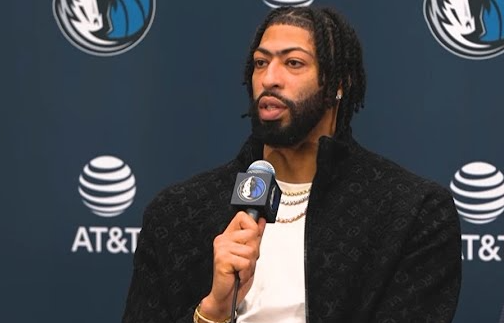
When fans hear about NBA superstars signing contracts worth hundreds of millions, it’s easy to imagine a flood of cash hitting their bank accounts overnight. But as Anthony Davis revealed in a recent episode of the Join The Lobby podcast, the reality of how NBA players get paid is far more structured, and surprisingly flexible.
During his conversation on the podcast, Davis pulled back the curtain on the financial logistics of being a professional athlete. One of the most surprising revelations? NBA players can choose how they receive their salary. Whether it’s bi-weekly, monthly, or spread evenly across the year, the league offers options tailored to each player’s financial preferences.
“You can get paid every two weeks, or you can get paid once a month, or you can get paid over 12 months,” Davis explained. “It’s really up to the player.”
This flexibility allows athletes to manage their cash flow in ways that suit their lifestyle, investment strategies, or long-term planning. For younger players, it can be a crucial tool in learning financial discipline early in their careers.
Davis also touched on a common misconception: that the headline salary is what players actually take home. In reality, taxes, agent fees, union dues, and other deductions can significantly reduce the net amount. For example, a $40 million contract might result in a much smaller annual income after federal, state, and city taxes are applied—especially for players in high-tax states like California or New York.
This is why financial literacy has become a growing focus within the NBA. Teams and the players’ union often provide resources to help athletes understand budgeting, investing, and long-term wealth management.
Davis’s insights highlight a broader truth: being a professional athlete isn’t just about performance on the court. It’s also about navigating a complex financial landscape. From choosing how to receive payments to managing multi-million dollar portfolios, NBA players are expected to make decisions that can impact their futures long after retirement.
