
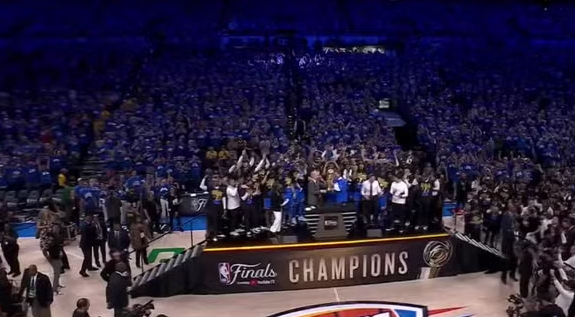
Two-time NBA champion Mario Chalmers didn’t mince words about his feelings toward the Oklahoma City Thunder’s rise to dominance.
With the Thunder fresh off their first NBA title and widely considered favorites to repeat, Chalmers voiced a sentiment that’s rarely said aloud, but often felt behind closed doors.
“I ain’t gonna lie. I’m hating. I don’t want them to win,” Chalmers said. “It’s like, it’s a small market. Business-wise, it’s like, what are we going to do, right? Yeah, they’re the best team. They got it all. But we need a big city to win.”
Chalmers’ comments tap into a long-standing tension within the NBA: the league’s reliance on major markets to drive ratings, merchandise, and global appeal. While Oklahoma City has built a powerhouse through smart drafting and player development, led by Shai Gilgeous-Alexander, Chet Holmgren, and Jalen Williams. their small-market status raises questions about visibility and commercial impact.
The 2025 Finals, which featured OKC vs. Indiana, drew mixed reviews from business analysts. Game 7 peaked at 19.3 million viewers, but the series average was among the lowest-rated Finals in recent history. For Chalmers, that’s a warning sign.
“Business-wise, it’s like, what are we going to do?” he asked rhetorically. “We need a big city to win.”
Mario Chalmers says he’s hating on the OKC Thunder and doesn’t want them to win another championship because small-market teams winning is bad for business 👀
“We need a big city to win.”
(🎥 @allinhq_ / https://t.co/xSk518I4eX) pic.twitter.com/TUYB3t3CSp
— NBACentral (@TheDunkCentral) September 14, 2025
Chalmers’ take isn’t just about OKC, it’s about the league’s future. As parity increases and small-market teams like the Pacers, Grizzlies, and Timberwolves rise, the NBA must reconcile its business model with its competitive landscape. Can a league built on stars and cities embrace a new era of balance?
