
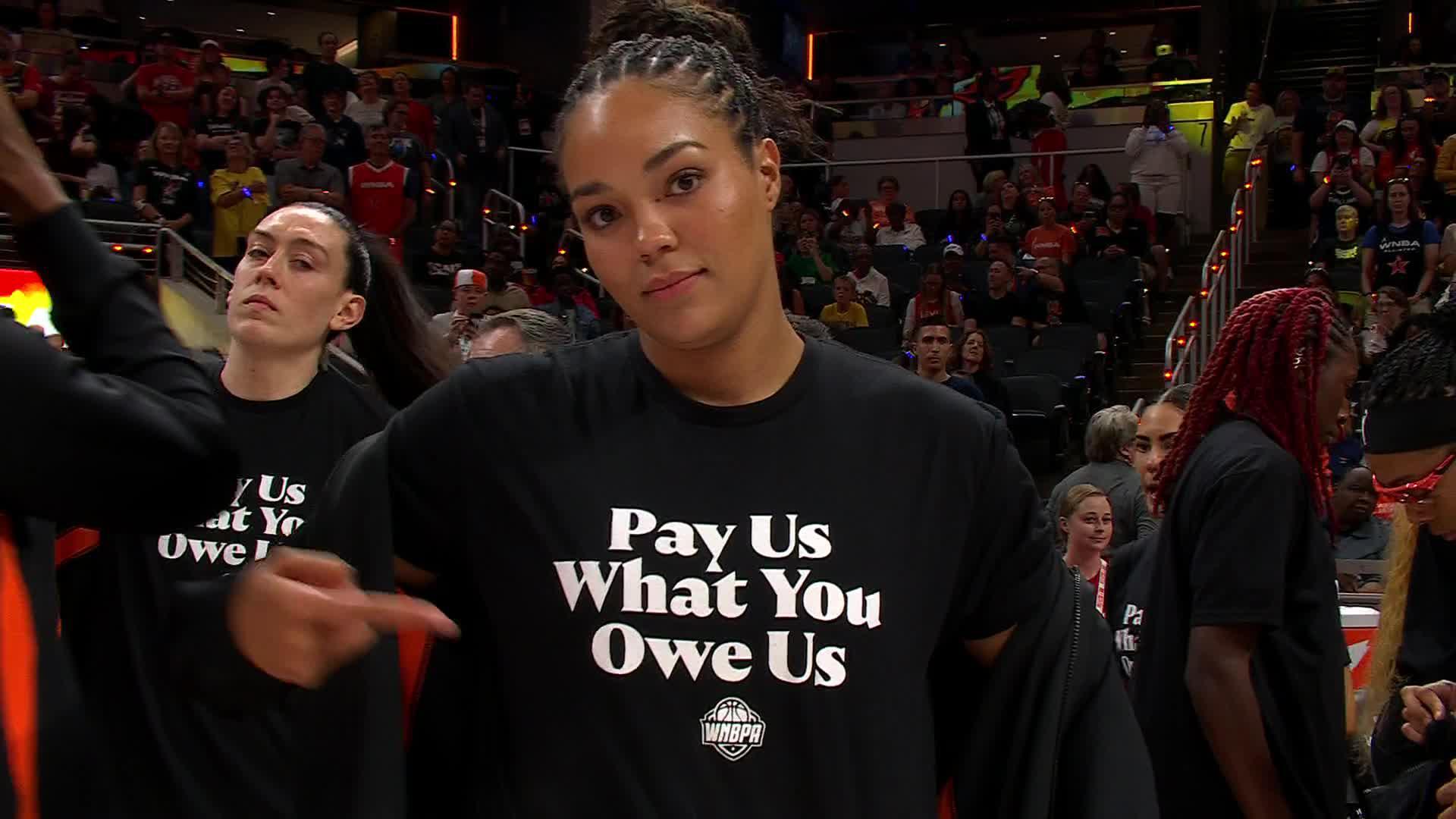
In a bold and unprecedented move, WNBA players have rejected a proposed collective bargaining agreement that would have delivered the largest salary increase in league history, quadrupling the minimum salary from $66,000 to $250,000 and raising the maximum to $1 million.
But for the players, the issue goes far beyond paychecks. They’re demanding a fundamental shift in how the league shares its revenue.
Union representative Satou Sabally didn’t hold back, calling the proposal “a slap in the face.” Despite the eye-popping figures, players argue that the offer fails to address the core issue: the WNBA’s outdated economic model. Currently, players receive just 9.3% of league revenue, by far the lowest share among major U.S. sports leagues. In contrast, NBA players receive between 49–51% of basketball-related income annually.
The WNBA has seen explosive growth in recent years, fueled by rising stars like Caitlin Clark and Angel Reese. Revenues have surged past $200 million, yet the league continues to operate at a loss, reportedly nearing $50 million annually. Much of its survival hinges on NBA subsidies, which cover roughly 60% of operations.
Players argue that this disconnect between financial growth and compensation is unsustainable.
“We’re not just going to take the minimum,” said Sabrina Ionescu, hinting at a potential strike in 2026 if demands aren’t met.
The union’s demands include:
- A new equity-based revenue model tied to league performance
- Clear distinctions between salary and performance bonuses
- Improved investment in existing franchises before further expansion
While the league is expanding, adding teams in Detroit, Philadelphia, and Cleveland by 2030, players like Sophie Cunningham have voiced concerns that current teams still lack proper infrastructure and support.
Social media lit up with mixed reactions. Some fans applauded the players’ stand for long-term equity, while others questioned the wisdom of rejecting such a lucrative offer in a league that hasn’t yet turned a profit.
Still, the message from the players is clear: they’re not just fighting for bigger paychecks, they’re fighting for a seat at the table.
